Nitrite → 5-Cyano-4,5-dihydro-3H-pyrazole-3,4-dicarboxylic acid diethyl ester
Reaction equation

Cl.[NH2:2][CH2:3][C:4]#[N:5].[C:6]([O:15][CH2:16][CH3:17])(=[O:14])/[CH:7]=[CH:8]/[C:9]([O:11][CH2:12][CH3:13])=[O:10].[N:18]([O-])=O.[Na+].N([O-])=O>C(OCC)(=O)C.O>[CH2:16]([O:15][C:6]([CH:7]1[CH:8]([C:9]([O:11][CH2:12][CH3:13])=[O:10])[CH:4]([C:3]#[N:2])[N:5]=[N:18]1)=[O:14])[CH3:17]Participants
7
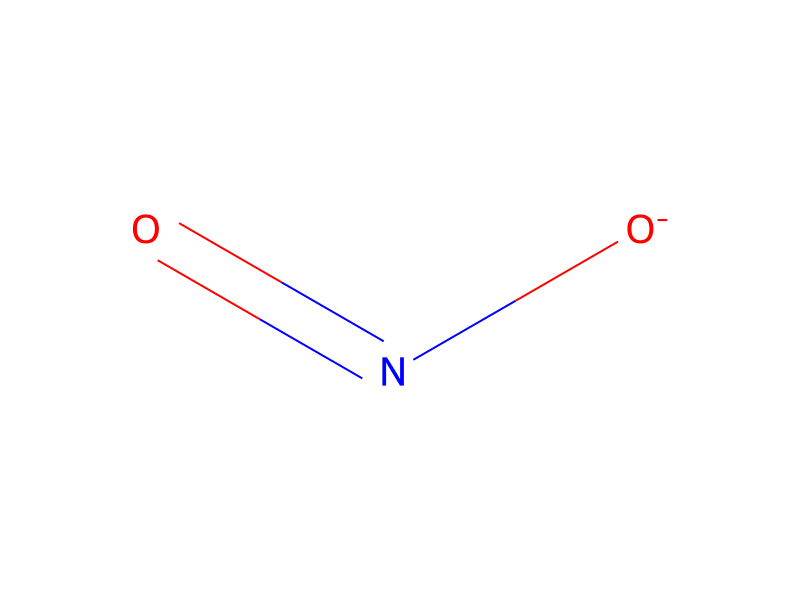






Conditions
- Temperature
- 24 °C
Procedure
To a one liter round bottom flask containing a cold (0° C.) slurry of 67.6 g (0.6756 mol) of aminoacetonitrile hydrochloride and 44.2 ml (0.2702 mol) of diethyl fumarate in 300 ml of ethyl acetate, were added dropwise, over one hour, an aqueous solution of 46.6 g (0.6756 mol) of sodium nitrite dissolved in 90 ml of water. The temperature of the reaction mixture was maintained at about 0° C. during the nitrite addition, then warmed to room temperature (24° C.) where the mixture was stirred for about 3 hours. The organic layer was separated from the aqueous layer and then stirred at room temperature overnight to provide a solution of 5-cyano-4,5-dihydro-3H-pyrazole-3,4-dicarboxylic acid diethyl ester dissolved in ethyl acetate.
Workup
- additionwere added dropwise, over one hour
- customThe organic layer was separated from the aqueous layer
- stirringstirred at room temperature overnight
Sources & evidence
- ORD record
- ord-63a30eece6694620beea1f91faa4e8a3
- Source dataset
- uspto-grants-1990_01
- Patent number
- US04892956
Reaction notes
Loading…