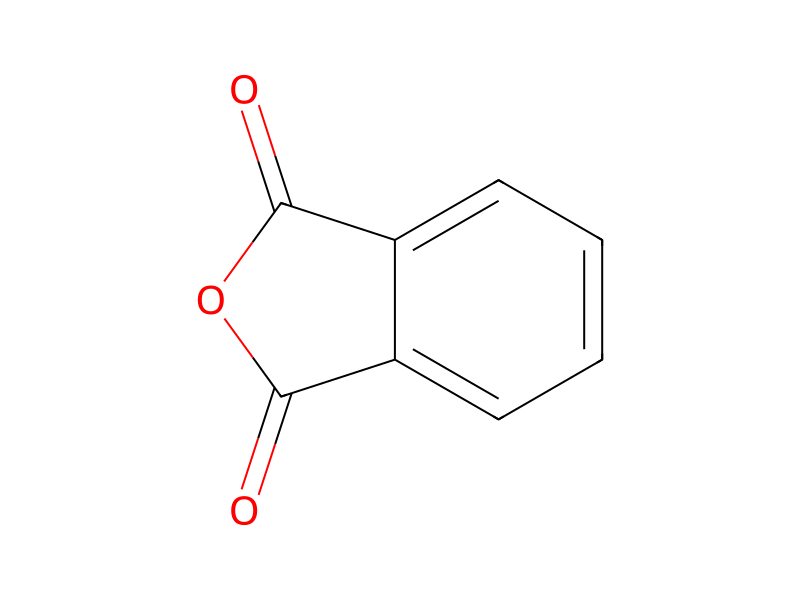
Phthalic Anhydride → HCID 13593166, compound
Reaction equation

[C:1]1(=O)OC(=O)C2=CC=CC=C12.[Al+3].[Cl-].[Cl-].[Cl-].C(B(CC)CC)C.[C:23]([C:28]1[CH:44]=[CH:43][C:31]([C:32]([C:34]2[CH:42]=[CH:41][CH:40]=[CH:39][C:35]=2[C:36]([OH:38])=[O:37])=[O:33])=[CH:30][CH:29]=1)([CH2:26][CH3:27])([CH3:25])C>C(C1C=CC=CC=1)(CC)(C)C>[CH:23]([C:28]1[CH:29]=[CH:30][C:31]([C:32]([C:34]2[CH:42]=[CH:41][CH:40]=[CH:39][C:35]=2[C:36]([OH:38])=[O:37])=[O:33])=[CH:43][CH:44]=1)([CH:26]([CH3:1])[CH3:27])[CH3:25]Participants
6




Procedure
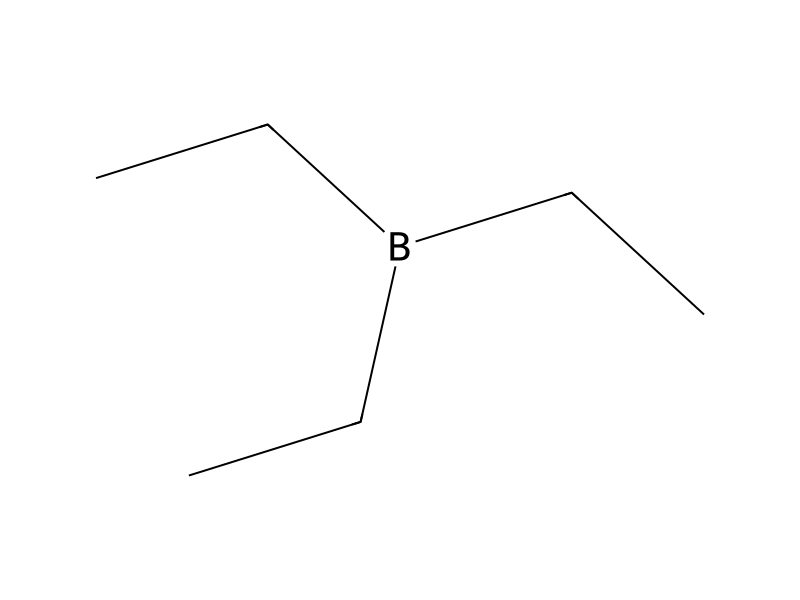
74 g (0.5 mole) of phthalic anhydride and 134 g (1.10 moles) of AlCl3 were reacted with 20 g (0.2 mole) of triethylboron in 74 g of tert-amylbenzene for 8 hours, as described in Example 1. After the mixture had been worked up in a conventional manner, 127 g (86% of theory) of a mixture of 2-(4'-tert-amylbenzoyl)-benzoic acid and 2-(4'-sec-isoamylbenzoyl)-benzoic acid (tertiary/secondary ratio=60:40) were obtained.
Sources & evidence
- ORD record
- ord-7c554244106245318294c00cf237356d
- Source dataset
- uspto-grants-1990_01
- Patent number
- US04895984
Reaction notes
Loading…