Triphenylphosphine → (E)-3-Methylbut-1-ene-1-sulfonyl chloride
Reaction equation

C1(P(C2C=CC=CC=2)C2C=CC=CC=2)C=CC=CC=1.[S:20]([Cl:24])(Cl)(=[O:22])=[O:21].[CH3:25][CH:26]([CH3:33])/[CH:27]=[CH:28]/S([O-])(=O)=O.C([N+](CCCC)(CCCC)CCCC)CCC>ClCCl>[CH3:25][CH:26]([CH3:33])/[CH:27]=[CH:28]/[S:20]([Cl:24])(=[O:22])=[O:21]Participants
5

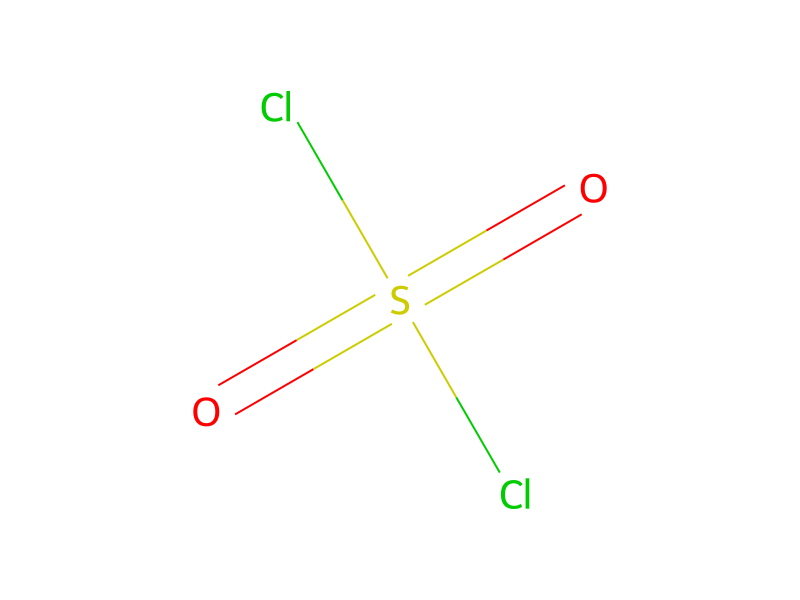



Procedure
To a solution of triphenylphosphine (1.055 g, 4.02 mmol) in dichloromethane (50 ml) under a nitrogen atmosphere was added at 0° C. sulfuryl dichloride (0.359 ml, 4.42 mmol). The mixture was stirred at 0° C. for 15 minutes after which a solution of tetrabutylammonium (E)-3-methylbut-1-ene-1-sulfonate (1.25 g of Step C) in dichloromethane (10 ml) was added dropwise. The reaction mixture was stirred at room temperature for 5 h after which the mixture was concentrated under reduced pressure. The residue was taken up in diethylether and filtered over a glass filter to remove triphenylphosphinoxide. The filtrate was concentrated under reduced pressure to yield 102 mg of a brown oil which was used directly in the next step.
Workup
- additionwas added dropwise
- concentrationwas concentrated under reduced pressure
- filtrationfiltered over a glass
- filtrationfilter
- customto remove triphenylphosphinoxide
- concentrationThe filtrate was concentrated under reduced pressure
Sources & evidence
- ORD record
- ord-af8749051f324d00be2b35ca27fdb808
- Source dataset
- uspto-grants-2014_11
- Patent number
- US08877934B2
Reaction notes
Loading…