Cyclooctanone → 1-((5-methyl-1H-pyrazol-1-yl)methyl)cyclooctanol
Reaction equation

C([Li])CCC.[CH3:6][N:7]1[C:11]([CH3:12])=[CH:10][CH:9]=[N:8]1.[C:13]1(=[O:21])[CH2:20][CH2:19][CH2:18][CH2:17][CH2:16][CH2:15][CH2:14]1>O1CCCC1>[CH3:12][C:11]1[N:7]([CH2:6][C:13]2([OH:21])[CH2:20][CH2:19][CH2:18][CH2:17][CH2:16][CH2:15][CH2:14]2)[N:8]=[CH:9][CH:10]=1Participants
5
Reactant 3
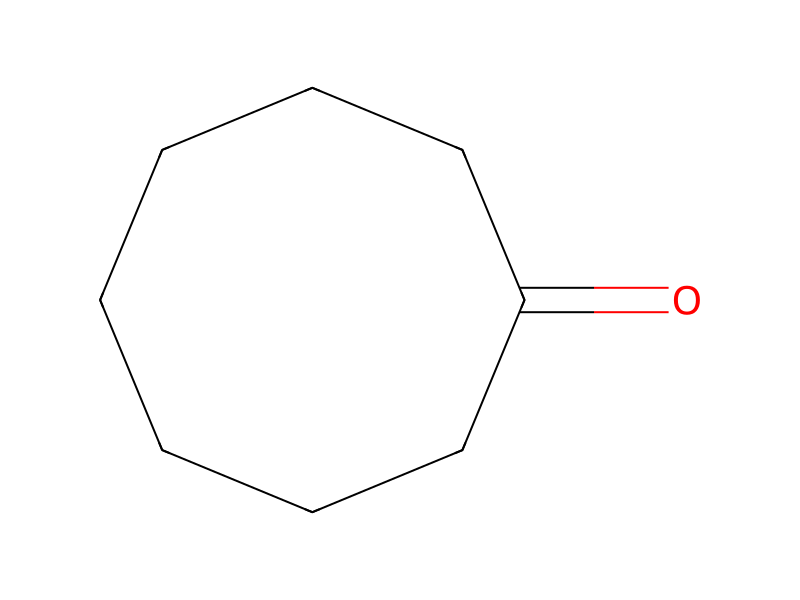


Product 1

Reagents, catalysts & solvents 1

Procedure
To a cold (−78° C.) solution of n-butyllithium (10 mL, 2.5M) in tetrahydrofuran (20 mL) was added 1,5-dimethyl-1H-pyrazole (2.0 g) in tetrahydrofuran (10 mL) dropwise via syringe. After 1 hour, cyclooctanone (2.63 g) in tetrahydrofuran (5 mL) was added dropwise and the reaction mixture was allowed to warm to room temperature. The mixture was quenched by the addition of saturated ammonium chloride solution and ethyl acetate. The layers were separated and the aqueous layer was extracted twice with additional ethyl acetate. The combined organics were dried over Na2SO4, filtered, and concentrated to provide the title compound.
Workup
- customThe mixture was quenched by the addition of saturated ammonium chloride solution and ethyl acetate
- customThe layers were separated
- extractionthe aqueous layer was extracted twice with additional ethyl acetate
- dry with materialThe combined organics were dried over Na2SO4
- filtrationfiltered
- concentrationconcentrated
Sources & evidence
- ORD record
- ord-2ee156e0504b4829b44c46e22f549efd
- Source dataset
- uspto-grants-2014_11
- Patent number
- US08889675B2
Reaction notes
Loading…