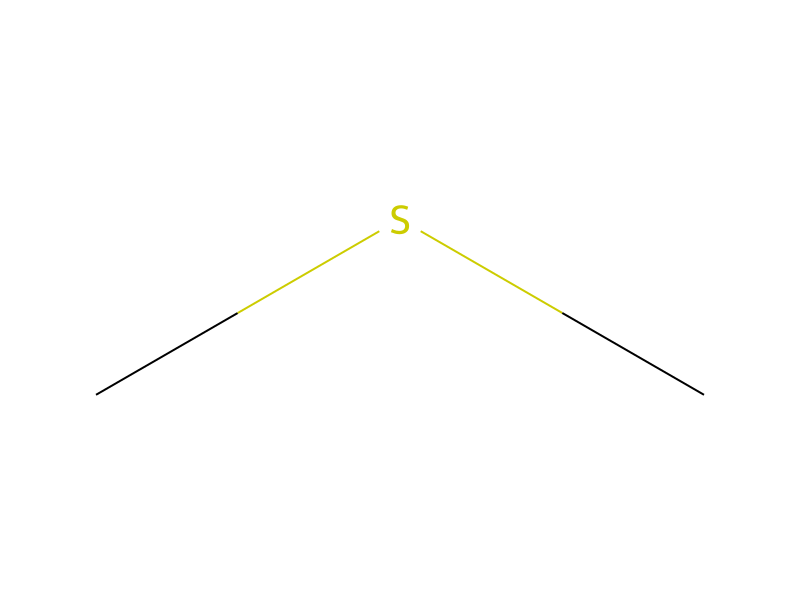
Dimethyl Sulfide → 4-Bromo-2,6-dichlorobenzaldehyde
Reaction equation

[Br:1][C:2]1[CH:7]=[C:6]([Cl:8])[C:5](/[CH:9]=C/C(OC)=O)=[C:4]([Cl:15])[CH:3]=1.[O:16]=[O+][O-].CSC>ClCCl>[Br:1][C:2]1[CH:7]=[C:6]([Cl:8])[C:5]([CH:9]=[O:16])=[C:4]([Cl:15])[CH:3]=1Participants
Reactant 3


Product 1

Reagents, catalysts & solvents 1

Procedure
4-Bromo-2,6-dichloroaniline (5, 80 g) was dissolved in acetone (640 mL), and a 48% hydrogen bromide aqueous solution (120 mL) was added, followed by stirring at 0° C. A sodium nitrite (32 g) aqueous solution (160 ml,) was added dropwise thereto, the mixture was stirred for 30 minutes, and methyl acrylate (200 nit), and water (200 mL) were added, followed by stirring for 1 hour. At room temperature, cuprous oxide (2 g) was added, followed by stirring for 2 hours. The reaction solution was extracted with ethyl acetate, and purified by column chromatography to obtain methyl (E)-3-(4-bromo-2,6-dichlorophenyl)acrylate (48.5 g). Methyl (E)-3-(4-bromo-2,6-dichlorophenyl)acrylate (48.5 g) was dissolved in dichloromethane, an ozone gas was introduced at −70° C., and ozone oxidization was performed. To the reaction solution was added dimethyl sulfide (40 mL), and this was extracted with ethyl acetate to obtain 4-bromo-2,6-dichlorobenzaldehyde (6, 37.2 g).
Workup
- extractionthis was extracted with ethyl acetate
Sources & evidence
- ORD record
- ord-c5c909dd6ef64793b5fbe135158464db
- Source dataset
- uspto-grants-2014_11
- Patent number
- US08889722B2
Reaction notes
Loading…