Catechol → HCID 70292956, compound
Reaction equation

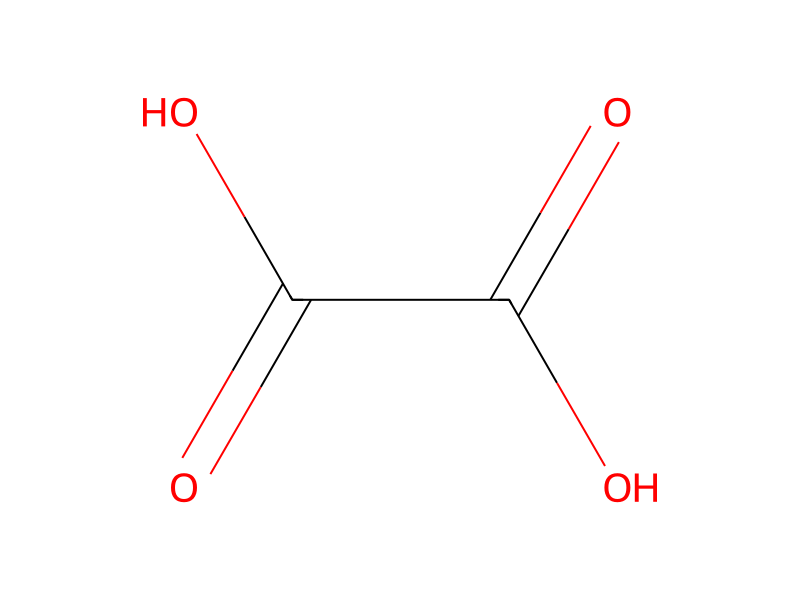
[Cl:1][C:2]1[CH:7]=[C:6](CO)[C:5]([OH:10])=[C:4](CO)[CH:3]=1.C(O)(=O)C(O)=O.[C:19]1([C:21](=[CH:23][CH:24]=[CH:25][CH:26]=1)[OH:22])[OH:20]>O>[Cl:1][C:2]1[CH:7]=[CH:6][C:5]([OH:10])=[CH:4][CH:3]=1.[C:19]1([C:21](=[CH:23][CH:24]=[CH:25][CH:26]=1)[OH:22])[OH:20]Participants
5
Reactant 3


Product 1

Reagents, catalysts & solvents 1

Conditions
- Temperature
- 70 °C
Procedure
To a 1 liter, 3 necked round bottomed flask equipped with a paddle stirrer, condenser, thermometer and heating source, were added 188.6 g (1 mole) of the 4-chloro-2,6-dimethylolphenol, followed by 10 g (0.11 moles) of oxalic acid and 220 g (2 moles) of catechol. To this were added 400 g of water. The reaction mixture was stirred and heated to 70° C. Solution occurred when the temperature reached approximately 60° C. Then, the reaction mixture was heated to reflux and held at reflux for 4 hours. After 1 hour at reflux, the product began to separate.
Workup
- customTo a 1 liter, 3 necked round bottomed flask equipped with a paddle stirrer, condenser
- temperaturethermometer and heating source
- customreached approximately 60° C
- temperatureThen, the reaction mixture was heated
- temperatureto reflux
- temperatureat reflux for 4 hours
- temperatureAfter 1 hour at reflux
- customto separate
Sources & evidence
- ORD record
- ord-aaeea454ff9248c6a41f2de7e4a80e63
- Source dataset
- uspto-grants-1999_01
- Patent number
- US05859153
Reaction notes
Loading…