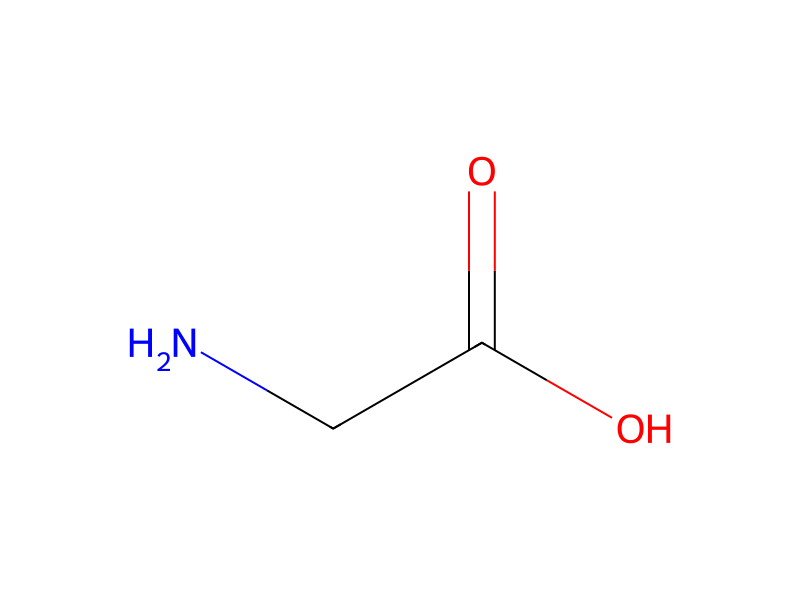
Glycine → Glyphosate
Reaction equation

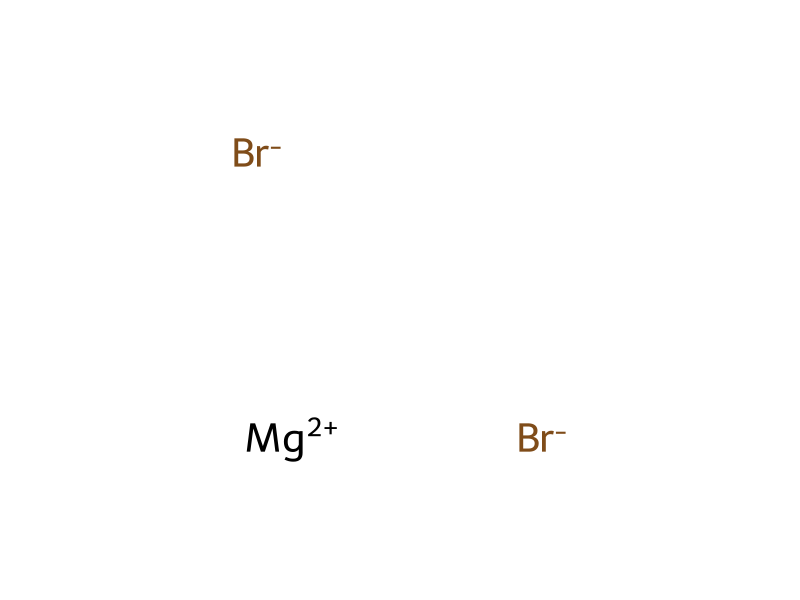
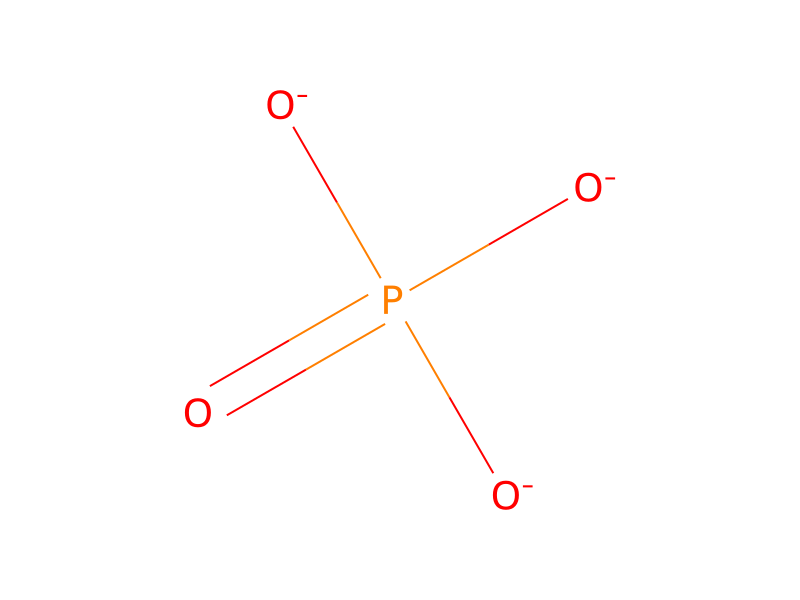
[C:1]([P:3](=[O:6])([O-:5])[O-:4])#[N:2].[K+].[K+].N[CH2:10][C:11]([OH:13])=[O:12].Cl.O1CCOCC1.[Br-].[Mg+2].[Br-].[H][H]>O.[OH-].[Pd+2].[OH-]>[P:3]([O-:5])([O-:12])([O-:4])=[O:6].[P:3]([CH2:1][NH:2][CH2:10][C:11]([OH:13])=[O:12])([OH:5])([OH:4])=[O:6]Participants
9
Reactant 5



Product 2

Reagents, catalysts & solvents 2


Conditions
- Temperature
- 50 °C
Procedure
Dipotassium cyanophosphonate (partially hydrated, 0.188 g, 1.03 mmol) was dissolved in water (5 ml) in a Fisher Porter bottle containing a magnetic stir bar, and glycine (0.0828 g, 1.10 mmol) was added. Palladium hydroxide 20% on carbon (0.089 g, Aldrich) was added along with HCl-dioxane, (0.25 ml, 4N, 1 mmol), and magnesium bromide (0.185 g, 1.00 mmol). After three pressure-release cycles with hydrogen, the bottle was pressurized to 25 psi with hydrogen and stirred overnight at 50° C. The pressure was then released, and the reaction mixture was filtered through Celite and washed with D2O. HPLC analysis (system for phosphate analysis) gave a 2.2% yield of N-phosphonomethylglycine.
Workup
- additioncontaining a magnetic stir bar
- filtrationthe reaction mixture was filtered through Celite
- washwashed with D2O
Sources & evidence
- ORD record
- ord-00ba1717d33145f3888ef677767e0d93
- Source dataset
- uspto-grants-1999_01
- Patent number
- US05859290
Reaction notes
Loading…