(1,4-Dihydroxy-3-phenylnaphthalen-2-yl)(phenyl)methanone → 2-benzoyl-3-phenyl-1,4-naphthoquinone
Reaction equation

[C:1]([C:9]1[C:18]([C:19]2[CH:24]=[CH:23][CH:22]=[CH:21][CH:20]=2)=[C:17]([OH:25])[C:16]2[C:11](=[CH:12][CH:13]=[CH:14][CH:15]=2)[C:10]=1[OH:26])(=[O:8])[C:2]1[CH:7]=[CH:6][CH:5]=[CH:4][CH:3]=1>[Ag]=O.C(Cl)(Cl)Cl>[C:1]([C:9]1[C:10](=[O:26])[C:11]2[C:16]([C:17](=[O:25])[C:18]=1[C:19]1[CH:20]=[CH:21][CH:22]=[CH:23][CH:24]=1)=[CH:15][CH:14]=[CH:13][CH:12]=2)(=[O:8])[C:2]1[CH:3]=[CH:4][CH:5]=[CH:6][CH:7]=1Participants
4
Reactant 1

Product 1

Reagents, catalysts & solvents 2

Procedure
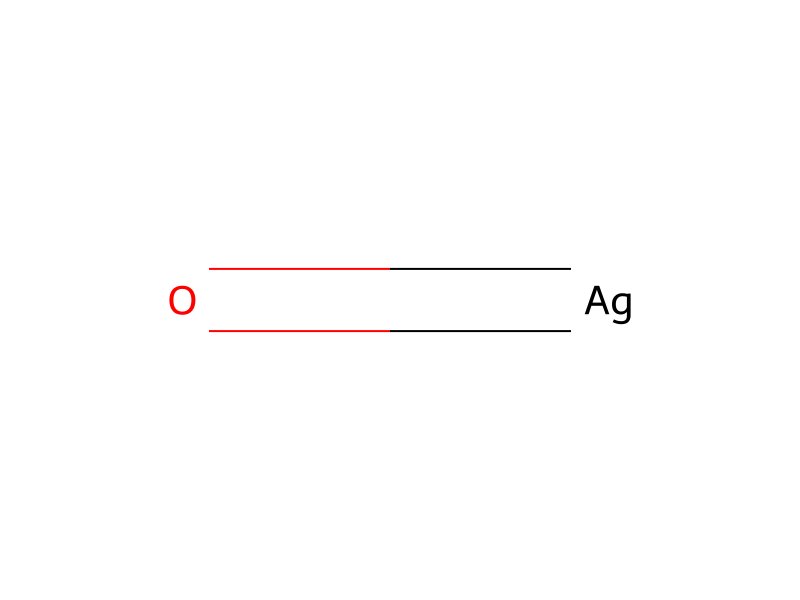
To a 500 ml conical flask, the above 2-benzoyl-1,4-dihydroxy-3-phenylnaphthalene (35 g, 103 mmol), silver oxide (23.8 g, 103 mmol) and chloroform (300 ml) were added and, after stirring at room temperature for 5 hours, the solid deposited in the solution was removed and the solution was concentrated to deposit a crystal.
Workup
- customwas removed
- concentrationthe solution was concentrated
Sources & evidence
- ORD record
- ord-a3562aa877164a2cb8beba8b6e521193
- Source dataset
- uspto-grants-1999_01
- Patent number
- US05863688
Reaction notes
Loading…