Water → (R)-(4-chlorophenylcarbamoyloxy)phenylacetic acid
Reaction equation

C([O-])(=O)CCCCCCCCCCC.C([O-])(=O)CCCCCCCCCCC.C([Sn+2]CCCC)CCC.[C:38]([OH:48])(=[O:47])[C@@H:39]([C:41]1[CH:46]=[CH:45][CH:44]=[CH:43][CH:42]=1)[OH:40].[Cl:49][C:50]1[CH:55]=[CH:54][C:53]([N:56]=[C:57]=[O:58])=[CH:52][CH:51]=1.O>ClCCl>[Cl:49][C:50]1[CH:55]=[CH:54][C:53]([NH:56][C:57]([O:40][C@H:39]([C:41]2[CH:46]=[CH:45][CH:44]=[CH:43][CH:42]=2)[C:38]([OH:48])=[O:47])=[O:58])=[CH:52][CH:51]=1Participants
6
Reactant 4

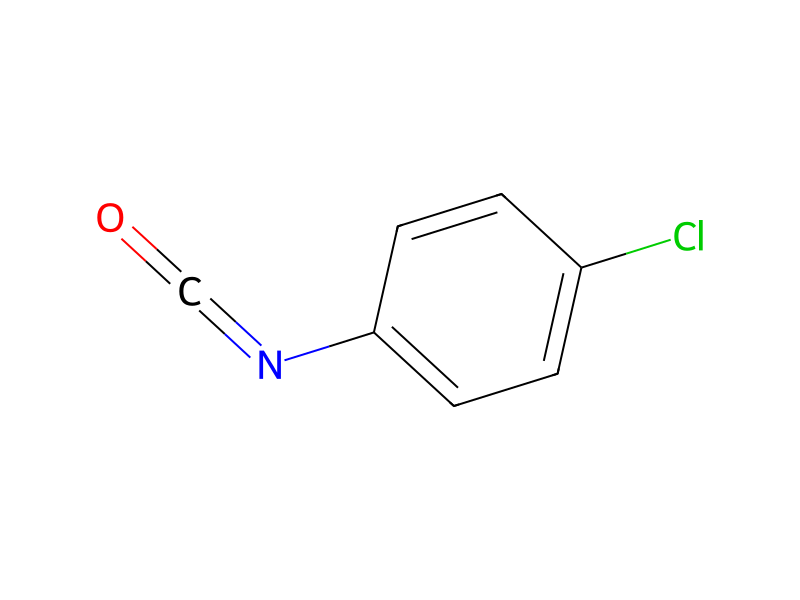


Product 1

Reagents, catalysts & solvents 1

Procedure
1.1 400 mg (0.63 mmol) of dibutyltin dilaurate are added to a solution of 10.0 g (65.7 mmol) of (R)-mandelic acid and 10.0 g (65.1 mmol) of 4-chlorophenyl isocyanate in 100 ml of dichloromethane, and the mixture is stirred at room temperature for 24 hours. The reaction mixture is introduced into water and extracted with ethyl acetate. The organic phase is evaporated, giving (R)-(4-chlorophenylcarbamoyloxy)phenylacetic acid as a colourless solid; ESI 306.
Workup
- extractionextracted with ethyl acetate
- customThe organic phase is evaporated
Sources & evidence
- ORD record
- ord-7a132407b5124197aa44899b87a35e6f
- Source dataset
- uspto-grants-2007_02
- Patent number
- US07183277B2
Reaction notes
Loading…