Hydrochloric Acid → 3-(4-Chlorosulfonyl-phenyl)-acrylic acid
Reaction equation

[Cl:1][S:2]([OH:5])(=O)=[O:3].C[O:7][C:8](=[O:28])[CH:9]=[CH:10][C:11]1[CH:16]=[CH:15][CH:14]=[C:13](S(=O)(=O)NC2C=CC=C(Br)C=2)[CH:12]=1.Cl>>[Cl:1][S:2]([C:14]1[CH:15]=[CH:16][C:11]([CH:10]=[CH:9][C:8]([OH:28])=[O:7])=[CH:12][CH:13]=1)(=[O:5])=[O:3]Participants
4

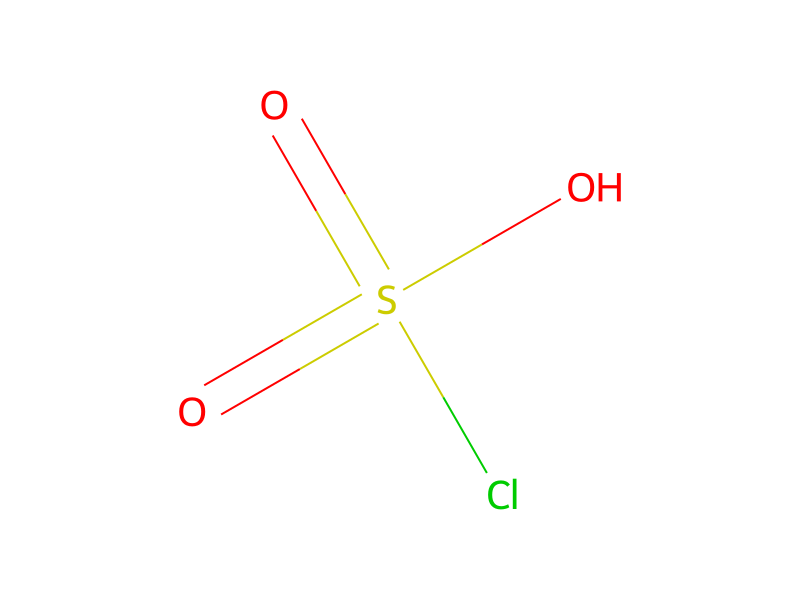


Conditions
- Temperature
- 0 °C
Procedure
To neat chlorosulfonic acid (5.3 ml, 80 mmol) at 0–5° C. temperature slowly cinnamic acid (41) (1.47 g, 10 mmol) was added. As the reaction proceeded hydrogen chloride gas evolved. The reaction mixture was stirred successively at 0° C. for 1 hour, at ambient temperature for 2 hours and at 40–42° C. for 2 hours. The dark, viscous syrup was poured onto ice, the precipitated solid was filtered and washed with water. The title compound (0.5 g, 20%) as a white solid was obtained. 1H NMR (DMSO-d6, HMDSO), δ 6.55 (1H, d, J=16 Hz); 7.58 (1H, d, J=16.0 Hz); 7.65 (4H, s); 8.15 (1H, br s).
Workup
- additionThe dark, viscous syrup was poured onto ice
- filtrationthe precipitated solid was filtered
- washwashed with water
Sources & evidence
- ORD record
- ord-1b05b2d56c3a400abfa8f2bb6b332f37
- Source dataset
- uspto-grants-2007_02
- Patent number
- US07183298B2
Reaction notes
Loading…