Ammonium Sulfate → 1,5-bis(t-butoxycarbonyl)-4,5,6,7-tetrahydro-1H-pyrrolo[3,2-c]pyridine-2-carboxylic acid
Reaction equation

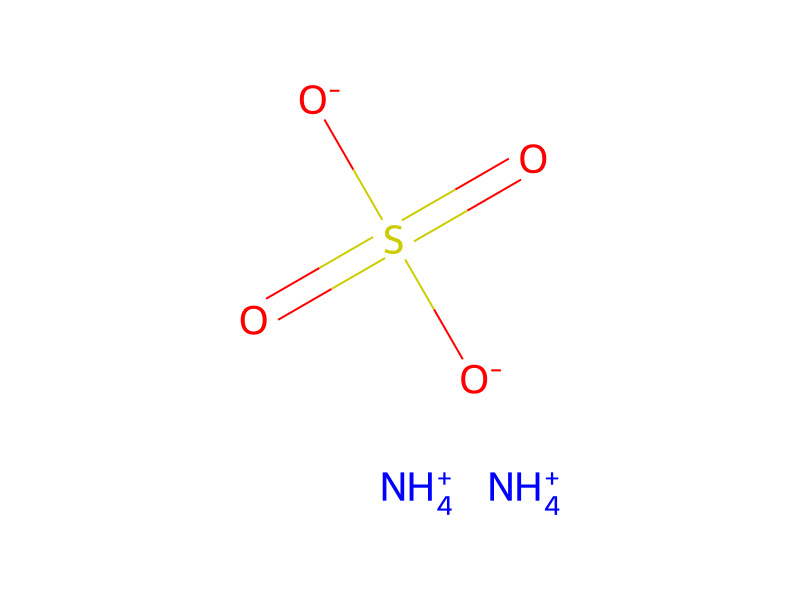
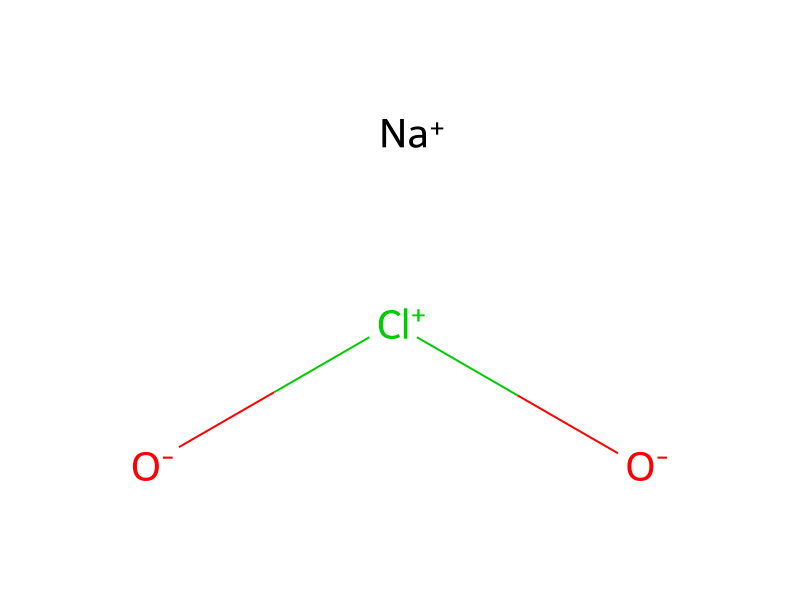
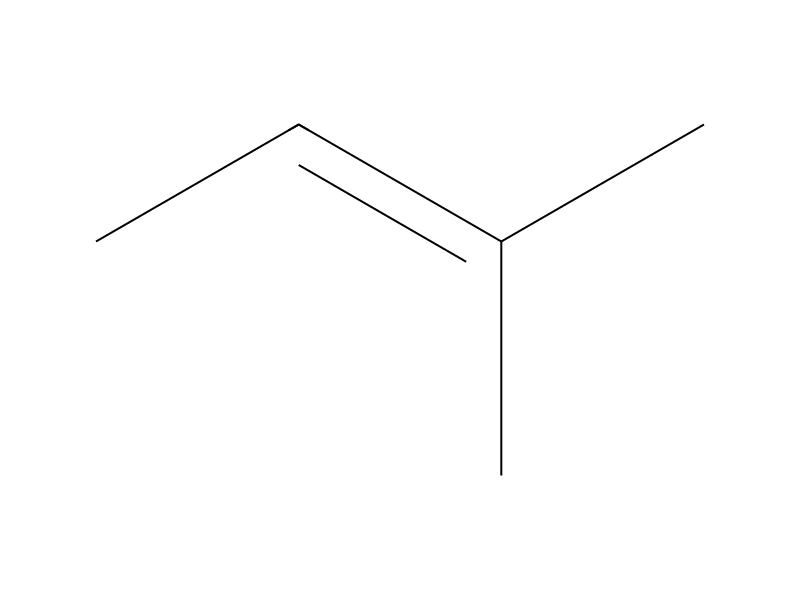
[C:1]([O:5][C:6]([N:8]1[C:16]2[CH2:15][CH2:14][N:13]([C:17]([O:19][C:20]([CH3:23])([CH3:22])[CH3:21])=[O:18])[CH2:12][C:11]=2[CH:10]=[C:9]1[CH:24]=[O:25])=[O:7])([CH3:4])([CH3:3])[CH3:2].Cl([O-])=[O:27].[Na+].P([O-])(O)(O)=O.[Na+].S([O-])([O-])(=O)=O.[NH4+].[NH4+]>C(O)(C)(C)C.CC(=CC)C.O.C(OCC)C>[C:1]([O:5][C:6]([N:8]1[C:16]2[CH2:15][CH2:14][N:13]([C:17]([O:19][C:20]([CH3:23])([CH3:22])[CH3:21])=[O:18])[CH2:12][C:11]=2[CH:10]=[C:9]1[C:24]([OH:27])=[O:25])=[O:7])([CH3:4])([CH3:2])[CH3:3]Participants
Reactant 4


Product 1

Reagents, catalysts & solvents 4



Procedure
To a solution of 1,5-bis(t-butoxycarbonyl)-2-formyl-4,5,6,7-tetrahydro-1H-pyrrolo[3,2-c]pyridine (44.0 mg) in t-butanol (2.0 ml), 2-methyl-2-butene (150 μl) and an aqueous solution (6.0 ml) of sodium chlorite (102 mg) and sodium dihydrogenphosphate (135 mg) were added at room temperature. After stirring for 21 hours, the reaction mixture was added with diethyl ether (10 ml) and water (10 ml), followed by the addition of ammonium sulfate until saturation. The resulting mixture was separated, followed by extraction with diethyl ether (10 ml). The organic layers were combined, dried over anhydrous sodium sulfate and concentrated under reduced pressure, whereby the residue, that is, 1,5-bis(t-butoxycarbonyl)-4,5,6,7-tetrahydro-1H-pyrrolo[3,2-c]pyridine-2-carboxylic acid was obtained as a white foamy substance. To a solution of the resulting residue in N,N-dimethylformamide (2.0 ml), methylene chloride (2.0 ml) and 1-[(6-chloronaphthalen-2-yl)sulfonyl]piperazine hydrochloride (55.0 mg) were dissolved, followed by the addition of 1-(dimethylaminopropyl)-3-ethyl carbodiimide (30.5 mg) and 1-hydroxybenzotriazole (21.5 mg) at room temperature. At 0° C., diisopropylethylamine (67.0 μl) was added thereto. After stirring overnight at room temperature, a 10% aqueous citric acid solution (10 ml) and methylene chloride (10 ml) were added to the reaction mixture to cause separation. The organic layer was extracted with methylene chloride (10 ml). The organic layers were combined, dried over anhydrous sodium sulfate and concentrated under reduced pressure. The resulting residue was purified by thin-layer preparative chromatography on silica gel (methylene chloride:acetone=10:1) and the white solid thus obtained was reprecipitated in a methylene chloride—methanol—water system. After filtration and washing with water, the title compound (50.0 mg) was obtained as a colorless transparent caramel-like substance. IR(KBr)cm−1: 2981, 2929, 2860, 1743, 1693, 1647, 1456, 1421, 1367, 1348, 1325, 1279, 1236, 1165, 1103, 955, 945, 729.
Workup
- customThe resulting mixture was separated
- extractionfollowed by extraction with diethyl ether (10 ml)
- dry with materialdried over anhydrous sodium sulfate
- concentrationconcentrated under reduced pressure, whereby the residue
Sources & evidence
- ORD record
- ord-d4c6b2f4c47c4d5d9f38dd59b9ed0c12
- Source dataset
- uspto-grants-2004_06
- Patent number
- US06747023B1
Reaction notes
Loading…