4-Toluenesulfonyl chloride → HCID 22118161, compound
Reaction equation

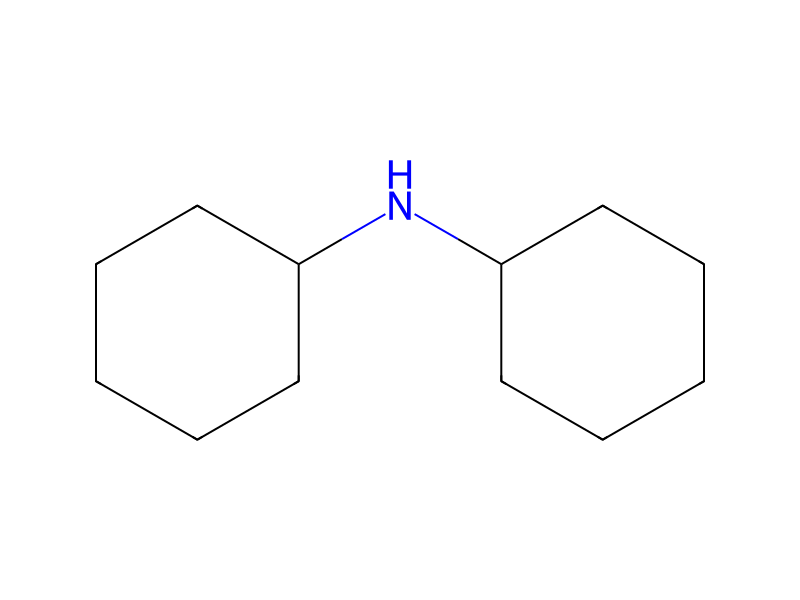
[N+:1]([C:4]1[CH:19]=[CH:18][CH:17]=[C:16]([N+:20]([O-:22])=[O:21])[C:5]=1[CH:6]([OH:15])[C:7]([O:9][CH2:10][C:11]([CH3:14])([CH3:13])[CH3:12])=[O:8])([O-:3])=[O:2].[C:23]1([CH3:33])[CH:28]=[CH:27][C:26]([S:29](Cl)(=[O:31])=[O:30])=[CH:25][CH:24]=1.C1(NC2CCCCC2)CCCCC1>CC(C)=O>[S:29]([C:26]1[CH:27]=[CH:28][C:23]([CH3:33])=[CH:24][CH:25]=1)([O:15][CH:6]([C:7]([O:9][CH2:10][C:11]([CH3:12])([CH3:13])[CH3:14])=[O:8])[C:5]1[C:4]([N+:1]([O-:3])=[O:2])=[CH:19][CH:18]=[CH:17][C:16]=1[N+:20]([O-:22])=[O:21])(=[O:31])=[O:30]Participants
5
Reactant 3


Product 1

Reagents, catalysts & solvents 1

Procedure
Neopentyl 2,6-dinitromandelate (1.50 g, 4.80 mmol) and p-toluenesulfonyl chloride (1.00 g, 5.28 mmol) were mixed in dry acetone (50 mL) under argon. Dicyclohexylamine (0.957 g, 5.28 mmol) was added slowly to the reaction at 0° C. The mixture was stirred at room temperature for 2 hours at which time the reaction was shown to be complete by thin-layer chromatography (tlc). The acetone was then removed by evaporation under vacuum. The residue was put through a silica gel (60-200 mesh) column using methylene chloride/hexane (1:1) as the eluant. Recrystallization from CHCl3 /petroleum ether gave a yield of 2 g (89%).
Workup
- customThe acetone was then removed by evaporation under vacuum
- customRecrystallization from CHCl3 /petroleum ether
- customgave a yield of 2 g (89%)
Sources & evidence
- ORD record
- ord-8c241c47153e420eafeccd62a7ca20ed
- Source dataset
- uspto-grants-1998_11
- Patent number
- US05830619
Reaction notes
Loading…