Phenol → 2-Hydroxymuconic semialdehyde
Reaction equation

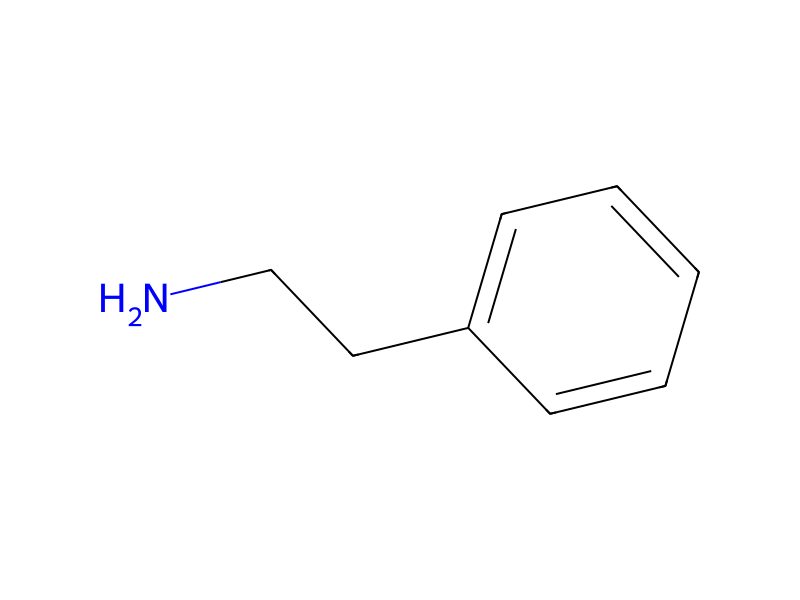
C1C=CC(CCN)=CC=1.C1([OH:16])C=CC=CC=1.CC1(C)S[C@@H]2[C@H](NC([C@H](N)C3C=CC=CC=3)=O)C(=O)N2[C@H]1C(O)=O.C[C@:42]1([OH:72])[C@@H:56]2[C:51](=[C:52](O)[C@:53]3([OH:69])[C:60](=[O:61])C(C(N)=O)=C(O)[C@@H](N(C)C)[C@@H]3C2)C(=O)C2C(O)=CC=CC1=2>>[CH:51](/[CH:56]=[CH:42]/[OH:72])=[CH:52]\[C:53]([C:60]([OH:16])=[O:61])=[O:69]Participants
5



Procedure
Screening for transformants carrying pheA and pheB. Transformants were spread on LB plates containing 1 mM phenol, 50 μg of ampicillin per ml, and 12.5 μg of tetracycline per ml and incubated overnight at 37° C. Colonies that became yellow (as a result of 2-hydroxymuconic semialdehyde) following spraying of a 0.1% of catechol solution were patched on LB plates containing 1 mM phenol. Colonies in which the yellow compound formed during growth without catechol addition were retained as putative carriers of both pheA and pheB.
Sources & evidence
- ORD record
- ord-8c85ce7f760f497c8a7c99cabcfa91b2
- Source dataset
- uspto-grants-1998_11
- Patent number
- US05834297
Reaction notes
Loading…