Hydrochloric Acid → HCID 13369865, compound
Reaction equation

C([N:8]1[CH2:13][CH2:12][N:11]([C:14]([C:16]2[CH:17]=[C:18]3[C:23](=[CH:24][CH:25]=2)[NH:22][C:21](=[O:26])[CH:20]=[CH:19]3)=[O:15])[CH2:10][CH2:9]1)C1C=CC=CC=1.[ClH:27]>[C].[Pd].C(O)C.O>[ClH:27].[N:11]1([C:14]([C:16]2[CH:17]=[C:18]3[C:23](=[CH:24][CH:25]=2)[NH:22][C:21](=[O:26])[CH:20]=[CH:19]3)=[O:15])[CH2:12][CH2:13][NH:8][CH2:9][CH2:10]1Participants
Reactant 2


Product 1

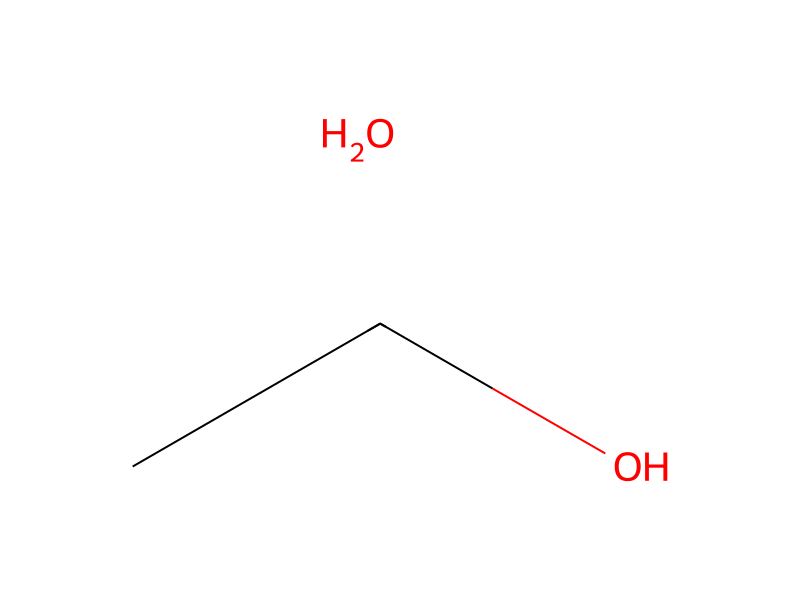
Reagents, catalysts & solvents 2

Procedure
26.4 Grams of 6-[(4-benzyl-1-piperazinyl)carbonyl]carbostyril was suspended in 800 ml of a mixed solvent of ethanol-water and the pH of the suspension was adjusted to about pH 1 by adding concentrated hydrochloric acid. To this mixture was added 2.6 g of 5% palladium-carbon and catalytic reduction was conducted under a normal pressure at 45°-65° C. After the reaction was completed, the catalyst was removed by filtration and the solvent was removed by distillation under a reduced pressure. The residue obtained was crystallized by adding acetone and the crude crystals thus obtained were recrystallized from ethanol-water to obtain 19.9 g of 6-(1-piperazinylcarbonyl)carbostyril monohydrochloride. Colorless granular crystals. Melting point: over 300° C.
Workup
- customwas conducted under a normal pressure at 45°-65° C
- customthe catalyst was removed by filtration
- customthe solvent was removed by distillation under a reduced pressure
- customThe residue obtained
- customwas crystallized
- additionby adding acetone
- customthe crude crystals thus obtained
- customwere recrystallized from ethanol-water
Sources & evidence
- ORD record
- ord-ea5d96c5a0f64f319ffcd4286d5555a0
- Source dataset
- uspto-grants-1984_08
- Patent number
- US04468402
Reaction notes
Loading…