Hydrochloric Acid → HCID 12387346, compound
Reaction equation

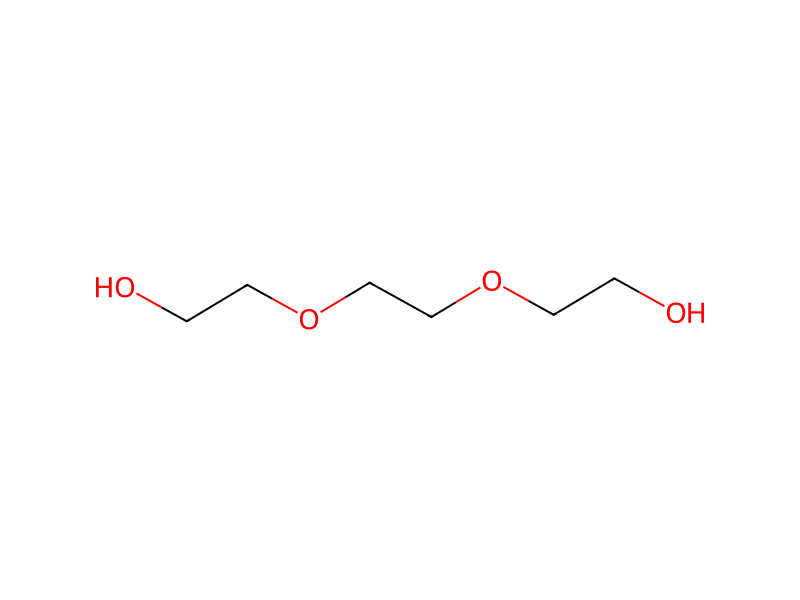
[CH2:1]([C:8]1[CH:13]=[CH:12][C:11](C2OCCN(C(=S)C)C2)=[CH:10][CH:9]=1)[CH2:2][CH2:3][CH2:4][CH2:5][CH2:6][CH3:7].C(O)COCCO[CH2:29][CH2:30][OH:31].[OH-:33].[K+].Cl>O>[CH2:1]([C:8]1[CH:9]=[CH:10][C:11]([CH2:29][C:30]([OH:31])=[O:33])=[CH:12][CH:13]=1)[CH2:2][CH2:3][CH2:4][CH2:5][CH2:6][CH3:7]Participants
Reactant 4



Product 1

Reagents, catalysts & solvents 1

Procedure
To 56.1 g of the 4-[2-(4-heptylphenyl)-1-thioxoethylmorpholine thus obtained, were added 300 ml of triethylene glycol, 50 ml of water and 37.3 g of potassium hydroxide. The resulting mixture was heated under reflux for six hours and then allowed to cool to room temperature. Then 10% hydrochloric acid was added thereto by portions until the pH value of the solution became slightly acidic. The reaction product was extracted with 300 ml of ethyl acetate and the organic layer was washed with water until the aqueous layer became neutral. Then the organic layer was separated and dried over anhydrous sodium sulfate. After distilling off the solvent, the residue was recrystallized from hexane. Thus 28.0 g of p-heptylphenylacetic acid was obtained. Yield: 18%.
Workup
- temperatureThe resulting mixture was heated
- temperatureunder reflux for six hours
- extractionThe reaction product was extracted with 300 ml of ethyl acetate
- washthe organic layer was washed with water until the aqueous layer
- customThen the organic layer was separated
- dry with materialdried over anhydrous sodium sulfate
- distillationAfter distilling off the solvent
- customthe residue was recrystallized from hexane
Sources & evidence
- ORD record
- ord-2b8d015b81f3484a952888db43b87865
- Source dataset
- uspto-grants-1991_03
- Patent number
- US04997942
Reaction notes
Loading…