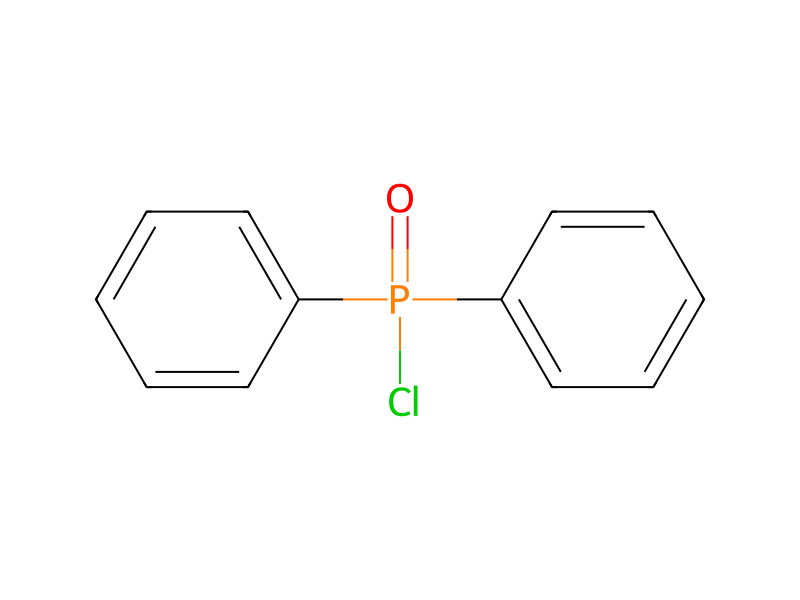
Diphenylphosphinic chloride → HCID 131721111, compound
Reaction equation

[OH:1][C@@H:2]([C@H:4]1[C:25](=[O:26])[N:6]2[CH:7]([C:12]([O:14][CH2:15][C:16]3[CH:21]=[CH:20][C:19]([N+:22]([O-:24])=[O:23])=[CH:18][CH:17]=3)=[O:13])[C:8](=O)[C@H:9]([CH3:10])[C@H:5]12)[CH3:3].C1(P(Cl)(C2C=CC=CC=2)=O)C=CC=CC=1.C(N(C(C)C)CC)(C)C.[SH:51][C@@H:52]1[CH2:56][N:55]([C:57]([O:59][CH2:60][C:61]2[CH:66]=[CH:65][C:64]([N+:67]([O-:69])=[O:68])=[CH:63][CH:62]=2)=[O:58])[C@H:54]([C:70]([N:72]2[CH2:76][CH2:75][C@H:74]([N:77]3[CH:81]=[N:80][CH:79]=[N:78]3)[CH2:73]2)=[O:71])[CH2:53]1>C(#N)C>[OH:1][C@@H:2]([C@H:4]1[C:25](=[O:26])[N:6]2[C:7]([C:12]([O:14][CH2:15][C:16]3[CH:21]=[CH:20][C:19]([N+:22]([O-:24])=[O:23])=[CH:18][CH:17]=3)=[O:13])=[C:8]([S:51][C@@H:52]3[CH2:56][N:55]([C:57]([O:59][CH2:60][C:61]4[CH:66]=[CH:65][C:64]([N+:67]([O-:69])=[O:68])=[CH:63][CH:62]=4)=[O:58])[C@H:54]([C:70]([N:72]4[CH2:76][CH2:75][C@H:74]([N:77]5[CH:81]=[N:80][CH:79]=[N:78]5)[CH2:73]4)=[O:71])[CH2:53]3)[C@H:9]([CH3:10])[C@H:5]12)[CH3:3]Participants
Reactant 4



Product 1

Reagents, catalysts & solvents 1

Procedure
486 mg of 4-nitrobenzyl (1R,5R,6S)-6-[(1R)-1-hydroxyethyl]-1-methyl-2-oxo-1-carbapenam-3-carboxylate were dissolved in 5 ml of dry acetonitrile, and 379 mg of diphenylphosphoryl chloride and 182 mg of diisopropylethylamine were added dropwise, with ice-cooling, to the resulting solution. The mixture was then stirred at the same temperature for 1 hour. At the end of this time, a solution of 173 mg of diisoproylethylamine and 690 mg of (2S,4S)-4-mercapto-2-[(3S)-3-(1-1,2,4-triazolyl)-1-pyrrolidinylcarbonyl]-1-(4-nitrobenzyloxycarbonyl)pyrrolidine (prepared as described in Preparation 119) in 4 ml of dry acetonitrile was added dropwise with ice-cooling, to the resulting mixture, and the mixture was stirred at the same temperature for 6 hours. The solvent was then removed by distillation under reduced pressure, and the resulting residue was dissolved in ethyl acetate. The resulting solution was then washed with water, with an aqueous solution of sodium hydrogencarbonate, again with water and finally with a saturated aqueous solution of sodium chloride. The aqueous layer was extracted with methylene chloride, and the aqueous layer was combined with the washings and dried over anhydrous magnesium sulfate. The solvent was removed by distillation under reduced pressure, and the residue was purified by silica gel column chromatography, using a 5:1 by volume mixture of ethyl acetate and methanol as the eluent, to obtain 744 mg of the title compound, as a powder.
Workup
- temperaturecooling, to the resulting solution
- temperaturecooling, to the resulting mixture
- stirringthe mixture was stirred at the same temperature for 6 hours
- customThe solvent was then removed by distillation under reduced pressure
- dissolutionthe resulting residue was dissolved in ethyl acetate
- washThe resulting solution was then washed with water, with an aqueous solution of sodium hydrogencarbonate, again with water and finally with a saturated aqueous solution of sodium chloride
- extractionThe aqueous layer was extracted with methylene chloride
- dry with materialdried over anhydrous magnesium sulfate
- customThe solvent was removed by distillation under reduced pressure
- customthe residue was purified by silica gel column chromatography
- additionby volume mixture of ethyl acetate and methanol as the eluent
Sources & evidence
- ORD record
- ord-d829f26651734aa990443921f44b586d
- Source dataset
- uspto-grants-1999_02
- Patent number
- US05866564
Reaction notes
Loading…