4-Aminopyridine → HCID 70054968, compound
Reaction equation

[C:1]1([CH:7]([C:18]2[CH:23]=[CH:22][CH:21]=[CH:20][CH:19]=2)[CH2:8][O:9][C:10]2[CH:17]=[CH:16][C:13]([CH2:14][Br:15])=[CH:12][CH:11]=2)[CH:6]=[CH:5][CH:4]=[CH:3][CH:2]=1.[NH2:24][C:25]1[CH:30]=[CH:29][N:28]=[CH:27][CH:26]=1>C(#N)C>[Br-:15].[NH2:24][C:25]1[CH:30]=[CH:29][N+:28]([CH2:14][C:13]2[CH:16]=[CH:17][C:10]([O:9][CH2:8][CH:7]([C:18]3[CH:23]=[CH:22][CH:21]=[CH:20][CH:19]=3)[C:1]3[CH:6]=[CH:5][CH:4]=[CH:3][CH:2]=3)=[CH:11][CH:12]=2)=[CH:27][CH:26]=1Participants
4
Reactant 2
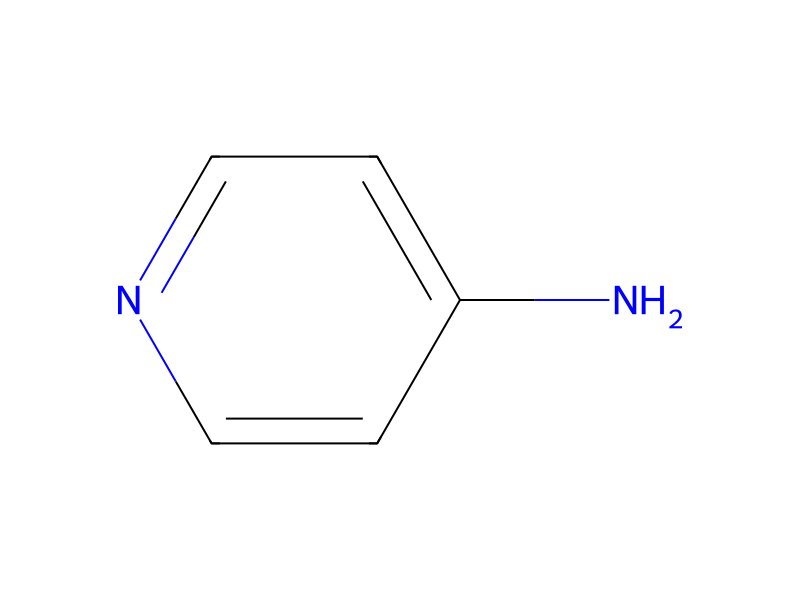

Product 1

Reagents, catalysts & solvents 1

Procedure
7-5 (100 mg, 0.27 mmol) was reacted with 4-aminopyridine 7-6 (28 mg, 0.30 mmol) in acetonitrile (3 ml) as in Example 6, Step E. The white solid product 7-7 was obtained.
Sources & evidence
- ORD record
- ord-b7e1e6119ba64b988af54bebfc1f3f75
- Source dataset
- uspto-grants-1999_02
- Patent number
- US05872138
Reaction notes
Loading…