Triethylamine → HCID 178459282, compound
Reaction equation

[C:1](Cl)(=[O:4])[CH:2]=[CH2:3].[CH3:6][Mn:7](C(O)C)([CH:14]1[CH:18]=[CH:17][CH:16]=[CH:15]1)(=[C:12]=[O:13])(=[C:10]=[O:11])=[C:8]=[O:9].[CH2:22](N(CC)CC)[CH3:23]>ClCCl>[CH3:6][Mn:7]([CH:2]([C:1](=[O:4])[CH:22]=[CH2:23])[CH3:3])([CH:14]1[CH:18]=[CH:17][CH:16]=[CH:15]1)(=[C:10]=[O:11])(=[C:12]=[O:13])=[C:8]=[O:9]Participants
Reactant 3

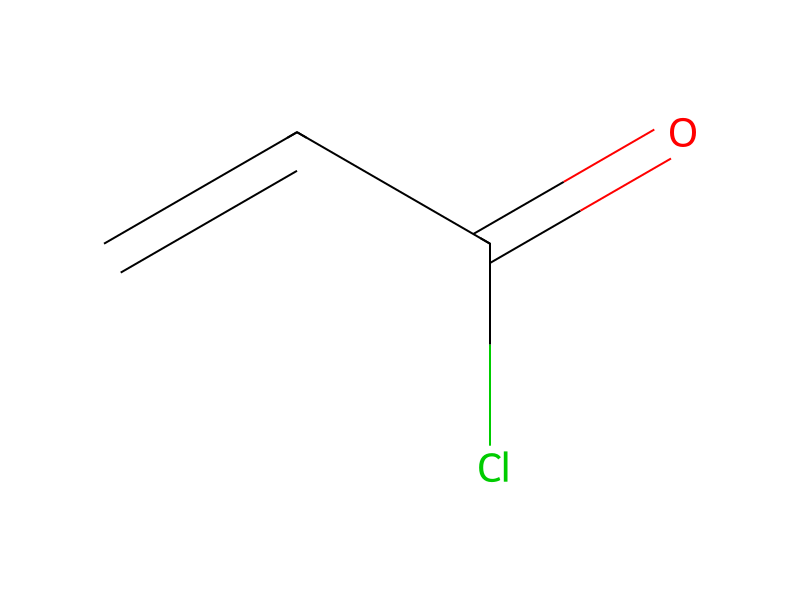

Product 1

Reagents, catalysts & solvents 1

Procedure
Acryloyl chloride (9 grams), methyl(α-hydroxyethyl)-cyclopentadienyltricarbonylmanganese (13.1 grams), and triethylamine (10.1 grams) were dissolved in 200 ml dichloromethane under a nitrogen atmosphere. A 0.1 gram sample of N,N-dimethylaminopyridine (DMAP) was added as a catalyst. For 4 days the solution was stirred and protected from light while and a white precipitate slowly formed. The reaction mixture was extracted twice with dilute HCl and the dichloromethane phase was dried with magnesium sulfate. The magnesium sulfate was removed by filtration and the dichloromethane solution was filtered through silica gel to remove a colored impurity. The solution was then rotary evaporated to a yellowish oil that was vacuum dried to give 16.2g (97%) of methyl(α-acryloylethyl)cyclopentadienyl-tricarbonylmanganese as a mixture of 1,2 and 1,3 isomers.
Workup
- customa white precipitate slowly formed
- extractionThe reaction mixture was extracted twice with dilute HCl
- dry with materialthe dichloromethane phase was dried with magnesium sulfate
- customThe magnesium sulfate was removed by filtration
- filtrationthe dichloromethane solution was filtered through silica gel
- customto remove a colored impurity
- customThe solution was then rotary evaporated to a yellowish oil that
- customdried
Sources & evidence
- ORD record
- ord-515c15931a464e84bcadbac6b83b6f14
- Source dataset
- uspto-grants-2000_10
- Patent number
- US06132860
Reaction notes
Loading…