Acetone → HCID 20195513, compound
Reaction equation

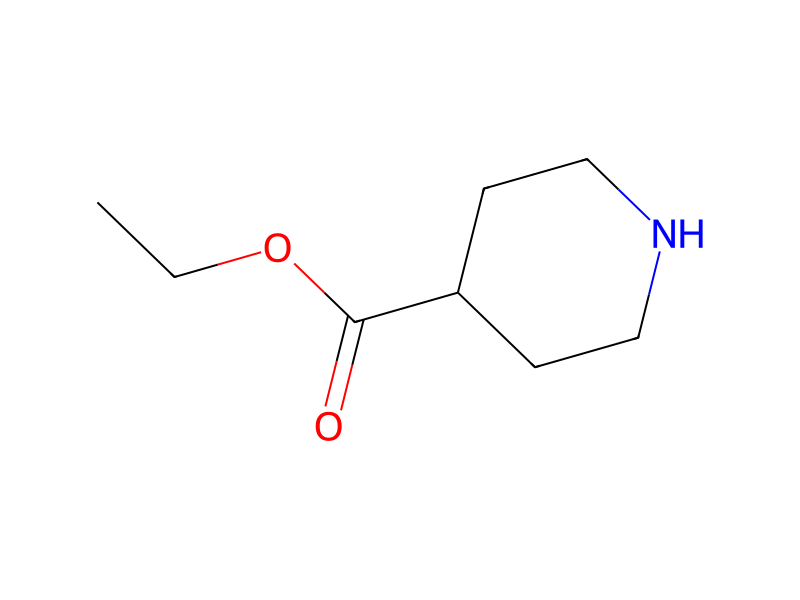
[NH:1]1[CH2:11][CH2:10][CH:4]([C:5]([O:7][CH2:8][CH3:9])=[O:6])[CH2:3][CH2:2]1.[Br:12]C[C:14]1[CH:15]=[CH:16][C:17]2[O:21][C:20]([N+:22]([O-:24])=[O:23])=[C:19]([C:25]3[CH:30]=[CH:29][CH:28]=[CH:27][CH:26]=3)[C:18]=2[CH:31]=1.CC(C)=O>C(OCC)C>[BrH:12].[N+:22]([C:20]1[O:21][C:17]2[CH:16]=[CH:15][C:14]([N:1]3[CH2:2][CH2:3][CH:4]([C:5]([O:7][CH2:8][CH3:9])=[O:6])[CH2:10][CH2:11]3)=[CH:31][C:18]=2[C:19]=1[C:25]1[CH:30]=[CH:29][CH:28]=[CH:27][CH:26]=1)([O-:24])=[O:23]Participants
5
Reactant 3


Product 1

Reagents, catalysts & solvents 1

Procedure
A mixture of 1.04 g. (0.0066 mole) of ethyl isonipecotate and 2 g. (0.006 mole) of 5-bromomethyl-2-nitro-3-phenylbenzofuran in 100 ml. of acetone is heated at reflux for 40 hours. The mixture is cooled and then evaporated to provide a residue which is diluted with diethyl ether. A yellow precipitate is separated by filtration to provide ethyl N-(2-nitro-3-phenylbenzofuran-5-yl)isonipecotate hydrobromide, m.p. 220°-221° C., having the structure ##STR19##
Workup
- additionA mixture of 1.04 g
- temperatureat reflux for 40 hours
- temperatureThe mixture is cooled
- customevaporated
- customto provide a residue which
- customA yellow precipitate is separated by filtration
Sources & evidence
- ORD record
- ord-6179aaaf4da343cea18345997ab374dd
- Source dataset
- uspto-grants-1985_07
- Patent number
- US04526896
Reaction notes
Loading…