Ammonia → N,N-Dimethylaminophosphoryl dichloride
Reaction equation

[CH2:1]([N:3]([CH2:8]C)[P:4](=[O:7])([NH2:6])[NH2:5])C.[Cl-].[NH4+].[CH3:12][N:13]([CH3:18])[P:14]([Cl:17])([Cl:16])=[O:15].N.CNC.P(Cl)(Cl)(Cl)=O>CCOCC>[CH3:12][N:13]([CH3:18])[P:14]([Cl:17])([Cl:16])=[O:15].[CH3:1][N:3]([CH3:8])[P:4](=[O:7])([NH2:6])[NH2:5]Participants
Reactant 6

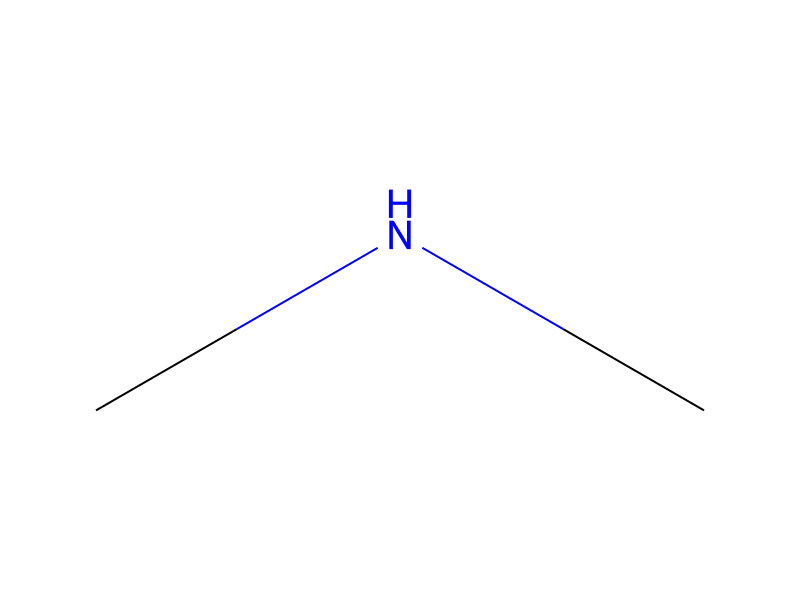




Product 2

Reagents, catalysts & solvents 1

Conditions
- Temperature
- 105 °C
Procedure
Using the procedure described in M. Goehring and K. Niedenzu, Chem. Ber. 89, pp 1768-1771 (1956), 1300-1400 grams of a material containing 53.5% (by weight) of N,N-diethylphosphoric triamide and 46.5% (by weight) of ammonium chloride was prepared by reacting 1035 g of N,N-dimethylphosphoramidic dichloride and ammonia in ether at 0° C. The N,N-dimethylphosphoramidic dichloride was prepared by adding 425 g (9.45 mol) of dimethylamine to 4000 mL (6580 g, 42.7 mol) of phosphorus oxychloride at 0°-10° C., heating the reaction mixture at reflux (105° C.) for 18 h, and distilling the products at reduced pressure (31P NMR (CDCl3): δ 17.7 ppm). Pure N,N-dimethylphosphoric triamide can be obtained by extracting the crude material with chloroform, evaporating the chloroform, and recrystallizing the residue from acetone/chloroform. For example, extraction of 130 g of crude material with 1300 mL of hot chloroform provided 30 g of pure material, mp 128.5°-131° C. (lit. 119° C.), after recrystallization
Workup
- customwas prepared
- customat 0° C
- temperatureheating the reaction mixture
- distillationdistilling the products at reduced pressure (31P NMR (CDCl3): δ 17.7 ppm)
Sources & evidence
- ORD record
- ord-ccd927c90d1e47a0a104d6ff543e031c
- Source dataset
- uspto-grants-1985_07
- Patent number
- US04530714
Reaction notes
Loading…