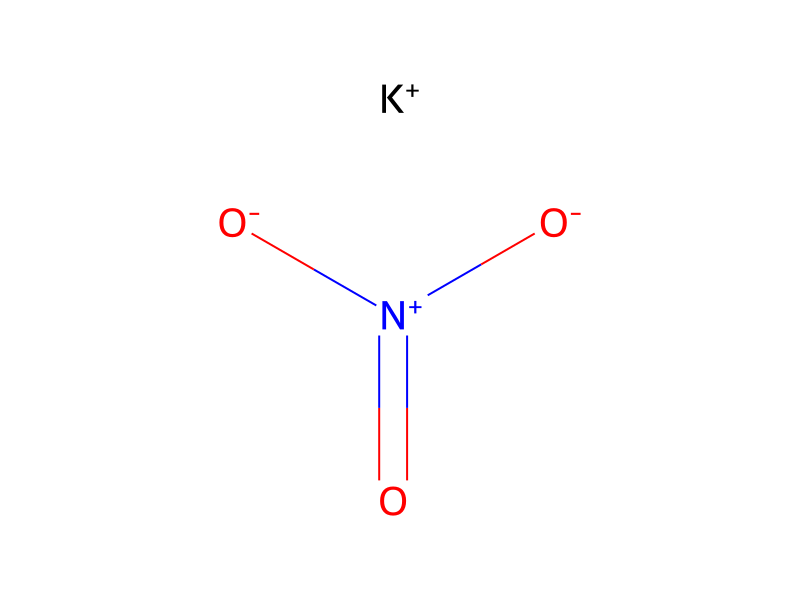
Potassium Nitrate → HCID 70622508, compound
Reaction equation

[ClH:1].[CH3:2][N:3]1[CH2:7][C:6]23[CH2:17][CH:10]([C:11]4[CH:16]=[CH:15][CH:14]=[CH:13][C:12]=4[CH:5]2[CH2:4]1)[C:9]1[CH:18]=[CH:19][CH:20]=[CH:21][C:8]3=1.[N+:22]([O-])([O-:24])=[O:23].[K+]>F>[ClH:1].[N+:22]([CH:4]1[CH:5]2[C:12]3[CH:13]=[CH:14][CH:15]=[CH:16][C:11]=3[CH:10]3[CH2:17][C:6]2([C:8]2[CH:21]=[CH:20][CH:19]=[CH:18][C:9]3=2)[CH2:7][N:3]1[CH3:2])([O-:24])=[O:23]Participants
Reactant 2

Product 1

Reagents, catalysts & solvents 1
Procedure
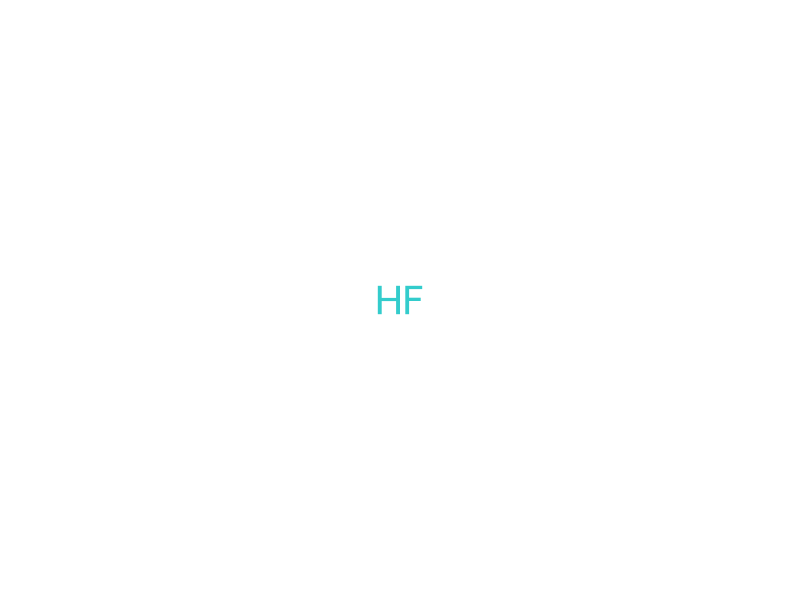
To a solution of 1.5 g (5.06 mmoles) of 2-methyl-2,3,8,12b-tetrahydro-1H-3a,8-methanodibenzo[3,4:6,7]cyclohepta[1,2-c]pyrrole hydrochloride in 25 ml of anhydrous hydrofluoric acid cooled at -78° was added 562 mg (5.06 mmoles) of potassium nitrate. The reaction mixture was allowed to warm to room temperature and the hydrofluoric acid was evaporated under a stream of nitrogen. The residue was dissolved in methylene chloride, and the solution washed with 1N aqueous sodium hydroxide, with water, and dried over potassium carbonate. The solvent was removed under vacuum, the residue was dissolved in ether and insolubles were removed by filtration. The ethereal filtrate was treated with dry hydrogen chloride to give 1.0 g of nitro-2-methyl-2,3,8,12b-tetrahydro-1H-3a,8-methanodibenzo[3,4:6,7]cyclohepta[1,2-c]pyrrole hydrochloride as a colorless solid, m.p. 202°-207° (slight decomp.).
Workup
- customthe hydrofluoric acid was evaporated under a stream of nitrogen
- dissolutionThe residue was dissolved in methylene chloride
- washthe solution washed with 1N aqueous sodium hydroxide, with water
- dry with materialdried over potassium carbonate
- customThe solvent was removed under vacuum
- dissolutionthe residue was dissolved in ether
- custominsolubles were removed by filtration
- additionThe ethereal filtrate was treated with dry hydrogen chloride
Sources & evidence
- ORD record
- ord-ac980f15aa264ec08b7c56bf13944e93
- Source dataset
- uspto-grants-1978_05
- Patent number
- US04088772
Reaction notes
Loading…