HCID 20353237, compound → HCID 20353215, compound
Reaction equation

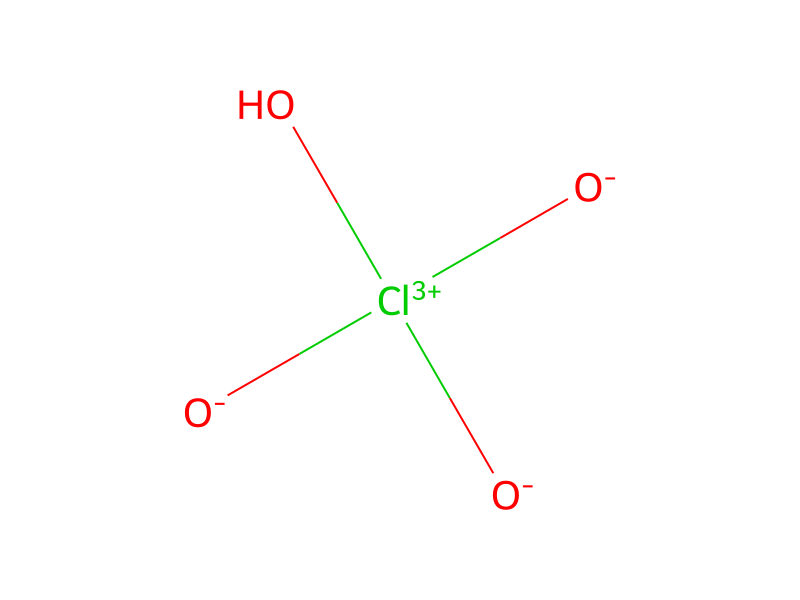
[CH:1]([C:3]1[CH:4]=[CH:5][C:6]2[CH:21]3[CH2:22][C:8]4([CH2:12][N:11]([CH2:13][CH:14]5[CH2:18][CH2:17][CH2:16][CH2:15]5)[CH2:10][CH:9]4[C:19]4[CH:26]=[CH:25][CH:24]=[CH:23][C:20]=43)[C:7]=2[CH:27]=1)=O.[H][H]>C(O)(=O)C.Cl(O)(=O)(=O)=O.[Pd].[C]>[CH3:1][C:3]1[CH:4]=[CH:5][C:6]2[CH:21]3[CH2:22][C:8]4([CH2:12][N:11]([CH2:13][CH:14]5[CH2:15][CH2:16][CH2:17][CH2:18]5)[CH2:10][CH:9]4[C:19]4[CH:26]=[CH:25][CH:24]=[CH:23][C:20]=43)[C:7]=2[CH:27]=1Participants
6





Procedure
A solution of 5.0 g of 5-formyl-2-cyclopentylmethyl-2,3,8,12b-tetrahydro-1H-3a,8-methanodibenzo[3,4:6,7]cyclohepta[1,2-c]pyrrole (Example 69) in 120 ml of acetic acid and 10 ml of perchloric acid was hydrogenated in the presence of 1.5 g of 10% Pd/carbon catalyst at 25°, 50 psi hydrogen pressure, overnight. The mixture was filtered and the solvent was evaporated to leave the product, 5-methyl-2-cyclopentylmethyl-2,3,8,12b-tetrahydro-1H-3a,8-methanodibenzo[3,4:6,7]cyclohepta[1,2-c]pyrrole, as an oil.
Workup
- filtrationThe mixture was filtered
- customthe solvent was evaporated
Sources & evidence
- ORD record
- ord-2cd79daca3e14f8d871c479267fe8827
- Source dataset
- uspto-grants-1978_05
- Patent number
- US04088772
Reaction notes
Loading…