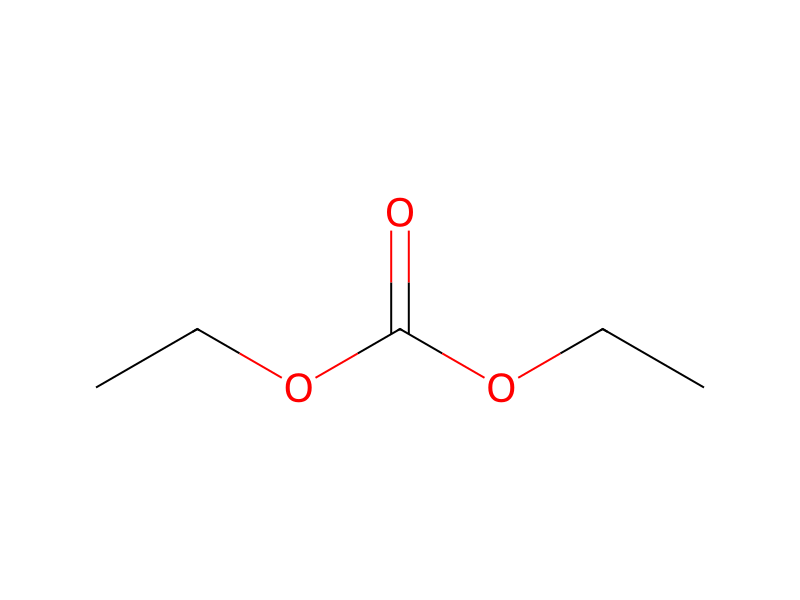
Diethyl Carbonate → Ethyl 3-phenyl-2H-isoindole-1-carboxylate
Reaction equation

CN1[C:8]2[CH:9]=[CH:10][CH:11]=[CH:12][C:7]=2[C:6]([C:13]2[CH:18]=[CH:17][CH:16]=[CH:15][CH:14]=2)=[N:5][CH2:4][C:3]1=[O:19].[CH2:20]([O:22]C(=O)OCC)[CH3:21]>>[CH2:20]([O:22][C:3]([C:4]1[NH:5][C:6]([C:13]2[CH:18]=[CH:17][CH:16]=[CH:15][CH:14]=2)=[C:7]2[C:12]=1[CH:11]=[CH:10][CH:9]=[CH:8]2)=[O:19])[CH3:21]Participants
3


Procedure
The starting material can be prepared from 1,3-dihydro-1-methyl-5-phenyl-2H-1,4-benzodiazepin-2-one and diethylcarbonate in a manner analogous to that described in Example 1. After recrystallization from ethanol, there is obtained 3-phenylisoindole-1-carboxylic acid ethyl ester; m.p. 144°-147° C. (decomposition).
Workup
- customAfter recrystallization from ethanol
Sources & evidence
- ORD record
- ord-7aa0a88c99e44535836e14d20dc2a662
- Source dataset
- uspto-grants-1978_05
- Patent number
- US04090027
Reaction notes
Loading…