Dicyclohexylcarbodiimide → 2-(4-Phenoxyphenoxy)ethyl-4,4-difluorobut-3-enoate
Reaction equation

[F:1][C:2]([F:8])=[CH:3][CH2:4][C:5]([OH:7])=[O:6].N1(C2C=CN=CC=2)CCCC1.[O:20]([C:27]1[CH:36]=[CH:35][C:30]([O:31][CH2:32][CH2:33]O)=[CH:29][CH:28]=1)[C:21]1[CH:26]=[CH:25][CH:24]=[CH:23][CH:22]=1.C1(N=C=NC2CCCCC2)CCCCC1>C(OCC)C>[O:20]([C:27]1[CH:28]=[CH:29][C:30]([O:31][CH2:32][CH2:33][O:6][C:5](=[O:7])[CH2:4][CH:3]=[C:2]([F:8])[F:1])=[CH:35][CH:36]=1)[C:21]1[CH:22]=[CH:23][CH:24]=[CH:25][CH:26]=1Participants

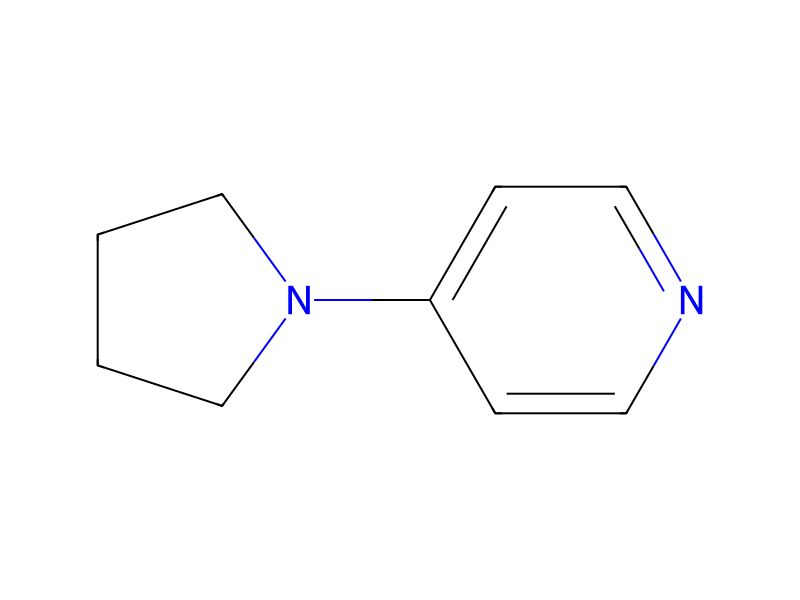



Conditions
- Temperature
- 0 °C
Procedure
A solution of 3.0 g of 4,4-difluorobut-3-enoic acid in 50 ml of diethyl ether is treated with 0.36 g of 4-pyrrolidinopyridine and 5.66 g of 2-(4-phenoxyphenoxy)ethanol, and the mixture is cooled to 0° C. A total of 5.58 g of N,N'-dicyclohexylcarbodiimide are added in portions at a temperature of between 0° C. and +5° C., the ice-cooling is removed, and the reaction mixture is allowed to come to room temperature in the course of 16 hours, with stirring. The N,N'-dicyclohexylurea which has precipitated as a solid is separated off and discarded. The supematant solution is evaporated. The residue obtained is purified by column chromatography on silica gel (eluent: hexane/ethyl acetate, 9:1). This gives pure 2-(4-phenoxyphenoxy)ethyl 4,4-difilorobut-3-enoate in the form of an oil (refractive index nD23 : 1.5315).
Workup
- customis removed
- customto come to room temperature in the course of 16 hours
- customThe N,N'-dicyclohexylurea which has precipitated as a solid
- customis separated off
- customThe supematant solution is evaporated
- customThe residue obtained
- customis purified by column chromatography on silica gel (eluent: hexane/ethyl acetate, 9:1)
Sources & evidence
- ORD record
- ord-c4f4c4f747be44b69f6ddf17756f4fb7
- Source dataset
- uspto-grants-1996_01
- Patent number
- US05481013
Reaction notes
Loading…