Benzoic Acid → 2-Methylbenzimidazole
Reaction equation

[C:1](O)(=O)[C:2]1C=CC=CC=1.[C:10]1([NH2:17])[CH:15]=[CH:14][CH:13]=[CH:12][C:11]=1[NH2:16].C(OC(=O)C)(=O)C>>[CH3:1][C:2]1[NH:16][C:11]2[CH:12]=[CH:13][CH:14]=[CH:15][C:10]=2[N:17]=1Participants
4
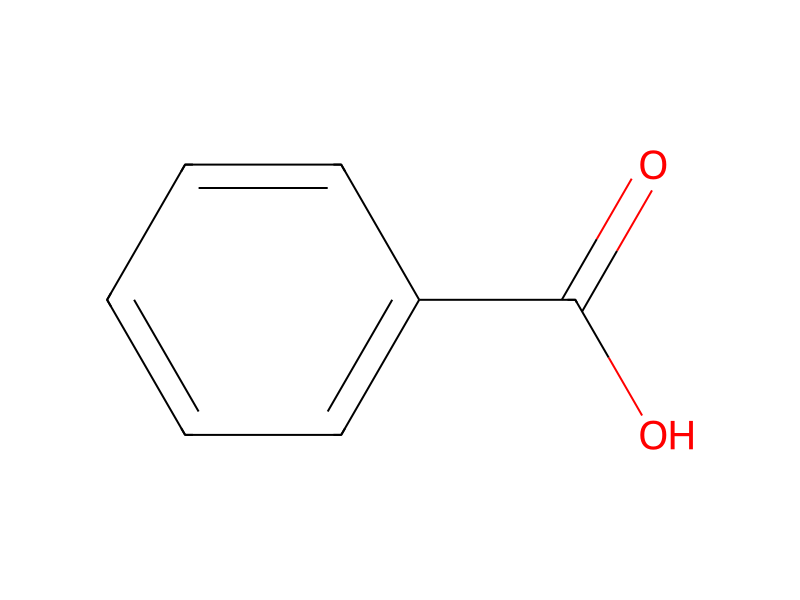
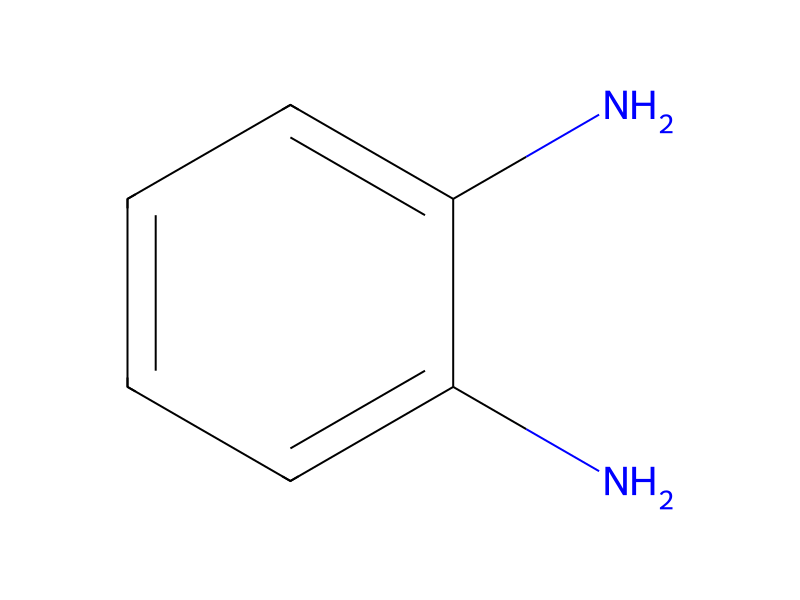


Procedure
Preparation of the intermediate benzoic acid 2 is shown in Scheme 2. 1,2-phenylenediamine is condensed with acetic anhydride to form 2-methylbenzimidazole which is then reacted with benzyl halide 5 (where X is Br, Cl, I, methansulfonyl, or p-toluenesulfonyl), in the presence of base to form 6. Hydrolysis of ester 6 gives benzoic acid 2. Condensation of 3,4-diaminopyridine with acetic anhydride followed by reaction with benzyl halide 5 as described above gives a mixture of 1-, 3-, and 5-substituted imidazo[4,5-c]pyridines (compounds 8, 9, and 10) which are separated by chromatography on silica gel and convened to 2 as described above. Similarly, imidazo[4,5-b]pyridines 12, 13, and 14 are prepared from 2,3-diaminopyridine. ##STR10##
Sources & evidence
- ORD record
- ord-d690d0842f54404cae957e0e2302c8ec
- Source dataset
- uspto-grants-1996_01
- Patent number
- US05486525
Reaction notes
Loading…