Acetic Anhydride → HCID 178471853, compound
Reaction equation

[Br:1][C:2]1[CH:15]=[CH:14][C:5]([C:6]([CH2:8][C:9]([O:11][CH2:12][CH3:13])=[O:10])=[O:7])=[C:4]([F:16])[C:3]=1[CH3:17].[C:18](OC(=O)C)(=O)[CH3:19].CO[CH:27](OC)[N:28]([CH3:30])C>C(Cl)Cl>[Br:1][C:2]1[CH:15]=[CH:14][C:5]([C:6]([C:8](=[CH:30][NH:28][CH:27]2[CH2:19][CH2:18]2)[C:9]([O:11][CH2:12][CH3:13])=[O:10])=[O:7])=[C:4]([F:16])[C:3]=1[CH3:17]Participants
5




Procedure
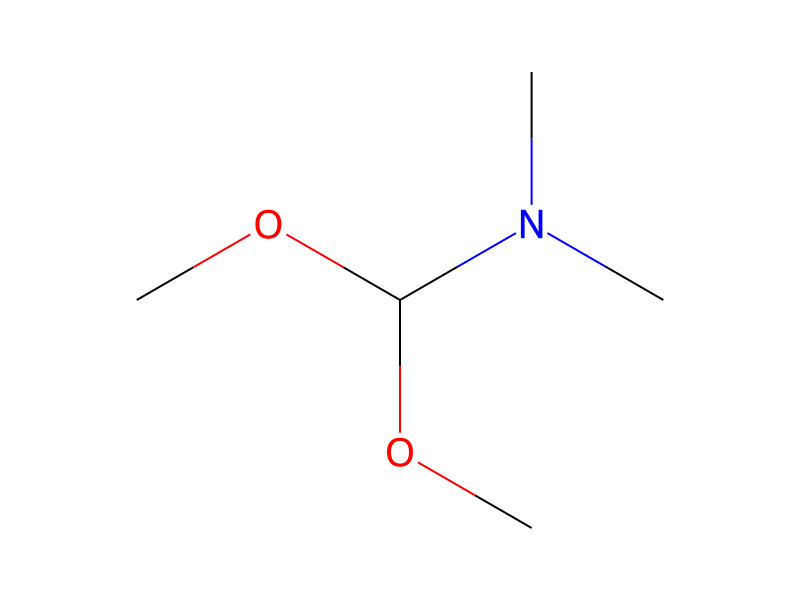
In 14 ml of methylene chloride was dissolved 0.70 g of ethyl 4-bromo-2-fluoro-3-methyl-benzoylacetate, followed by adding thereto 0.29 g of acetic anhydride and 0.33 g of N,N-dimethylformamide dimethyl acetal, and the resulting mixture was stirred at room temperature for 2 hours and then distilled under reduced pressure to remove the solvent. The resulting residue was dissolved in 10 ml of ethanol, followed by adding thereto 0.16 g of cyclopropylamine. The resulting mixture was stirred at room temperature for 12 hours and the crystals precipitated were collected by filtration to obtain 0.72 g of colorless ethyl 2-(4-bromo-2-fluoro-3-methylbenzoyl)-3-cyclopropylaminoacrylate.
Workup
- additionby adding
- distillationdistilled under reduced pressure
- customto remove the solvent
- dissolutionThe resulting residue was dissolved in 10 ml of ethanol
- additionby adding
- customthe crystals precipitated
- filtrationwere collected by filtration
Sources & evidence
- ORD record
- ord-4fe3d11e778f4264b45d93e5dc78adfd
- Source dataset
- uspto-grants-2000_02
- Patent number
- US06025370
Reaction notes
Loading…