Carbon Dioxide → 1-Benzoylazepan-2-one
Reaction equation

CCN(C(C)C)C(C)C.[C:10]1(=[O:17])[NH:16][CH2:15][CH2:14][CH2:13][CH2:12][CH2:11]1.C(=O)([O-])[O-].[Na+].[Na+].[C:24](Cl)(=[O:31])[C:25]1[CH:30]=[CH:29][CH:28]=[CH:27][CH:26]=1.C(=O)=O>O.C1(C)C=CC=CC=1>[C:24]([N:16]1[CH2:15][CH2:14][CH2:13][CH2:12][CH2:11][C:10]1=[O:17])(=[O:31])[C:25]1[CH:30]=[CH:29][CH:28]=[CH:27][CH:26]=1Participants


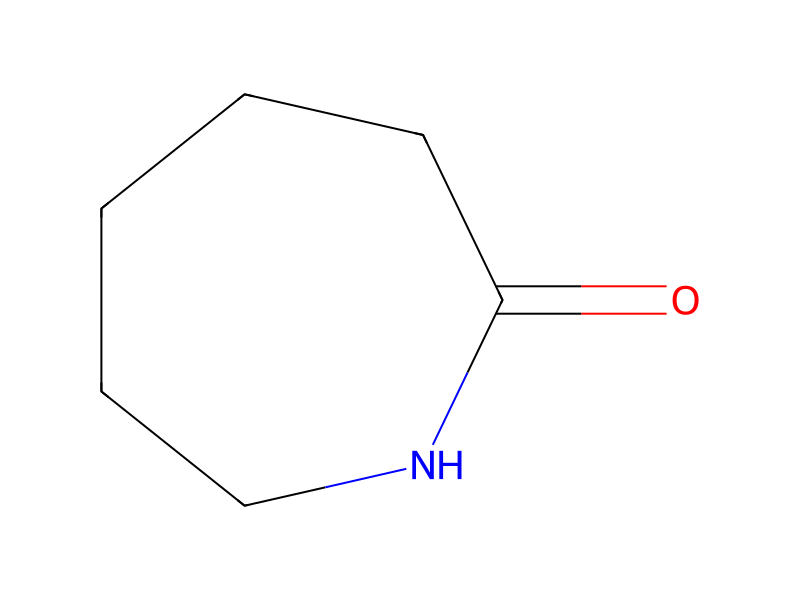





Procedure
The comparison involves using soda instead of the Hunig base: 226.3 g of ε-caprolactam, 159.0 g of sodium carbonate and 1290 g of toluene are introduced into a 4 1 l flask. Under reflux, 281.1 g of benzoyl chloride are added dropwise over the course of 2 h at a rate such that CO2 evolution proceeds in a controlled manner. The mixture is then refluxed for a further 4 h. The reaction mixture is cooled to room temperature using water cooling (for about 15 min.), admixed with 500 g of water and vigorously stirred, and the aqueous phase is then separated off in a separating funnel. The toluene phase that remains is evaporated in a rotary evaporator at a temperature of 60° C. and residual toluene is removed in a vacuum drying oven, giving pale oil, which crystallizes upon cooling. M.p.: 69° C. The N-benzoylcaprolactam is obtained in a yield of 88% and a purity of 98%. The CO2 produced must be collected and disposed of separately.
Workup
- temperatureUnder reflux
- temperatureThe mixture is then refluxed for a further 4 h
- customthe aqueous phase is then separated off in a separating funnel
- customThe toluene phase that remains is evaporated in a rotary evaporator at a temperature of 60° C. and residual toluene
- customis removed in a vacuum
- customdrying oven
- customgiving pale oil, which
- customcrystallizes
- temperatureupon cooling
Sources & evidence
- ORD record
- ord-785af21c51d447288722aee681edefa7
- Source dataset
- uspto-grants-2000_02
- Patent number
- US06028192
Reaction notes
Loading…