Hydrochloric Acid → Glycine, N-(3-nitrobenzoyl)-
Reaction equation

[NH2:1][CH2:2][C:3]([OH:5])=[O:4].[OH-].[K+].[N+:8]([C:11]1[CH:12]=[C:13]([CH:17]=[CH:18][CH:19]=1)[C:14](Cl)=[O:15])([O-:10])=[O:9].Cl>O.C(#N)C>[N+:8]([C:11]1[CH:12]=[C:13]([CH:17]=[CH:18][CH:19]=1)[C:14](=[O:15])[NH:1][CH2:2][C:3]([OH:5])=[O:4])([O-:10])=[O:9]Participants
7
Reactant 4

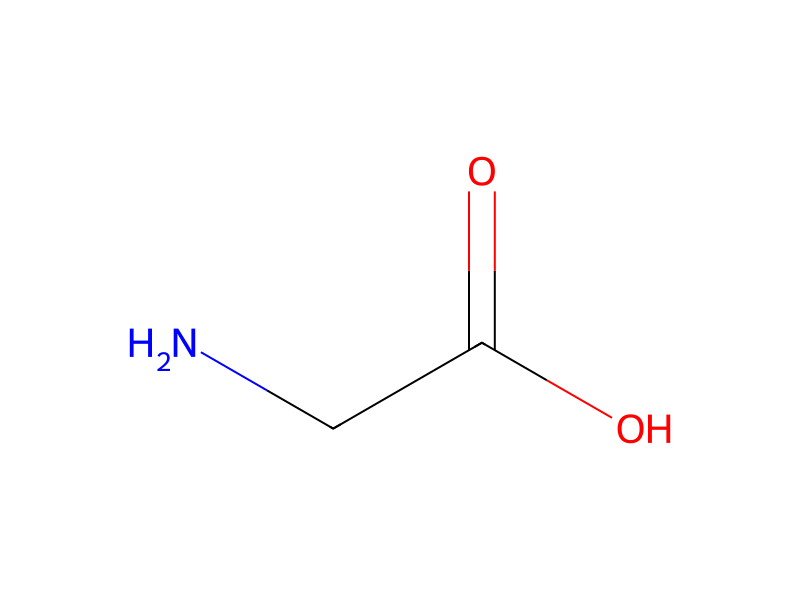


Product 1

Reagents, catalysts & solvents 2


Procedure
A solution of glycine (200 g) and KOH (200 g) in water (1000 ml) at 0° C. was treated dropwise with a solution of m-nitrobenzoyl chloride (100 g) in acetonitrile (100 ml). The reaction was allowed to warm to room temperature and was stirred for 4 hours. 12N aqueous HCl was added until pH<2. The reaction was allowed to stand overnight at room temperature. The resulting solid was filtered and washed with water (2×250 ml) and dried in vacuo at 60° C. 100 g of m-nitrohippuric acid was isolated. MS, 1H-NMR and CHN analysis were consistent with the desired product.
Workup
- waitto stand overnight at room temperature
- filtrationThe resulting solid was filtered
- washwashed with water (2×250 ml)
- customdried in vacuo at 60° C
Sources & evidence
- ORD record
- ord-41d8df0f332f499b89e651a9a30af4f3
- Source dataset
- uspto-grants-2000_02
- Patent number
- US06028223
Reaction notes
Loading…