Water → HCID 86600251, compound
Reaction equation

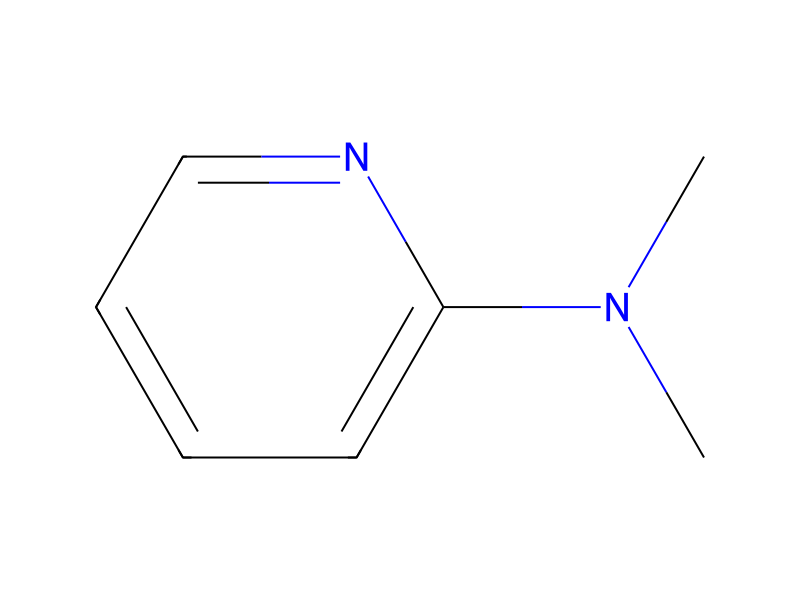
[ClH:1].CN(C)CCCN=C=NCC.C[N:14]([C:16]1[CH:21]=[CH:20][CH:19]=[CH:18][N:17]=1)[CH3:15].[C:22](#[N:24])[CH3:23].[N:25]1([CH:34]2[CH2:42][CH2:41][CH2:40][CH2:39]CCCC2)[CH2:33][CH2:32]CCCCCN1.[OH2:43]>>[Cl:1][C:18]1[N:17]=[C:16]2[NH:14][CH:15]=[C:23]([C:22]([N:24]3[CH:41]4[CH2:42][CH2:34][N:25]([CH2:39][CH2:40]4)[CH2:33][CH2:32]3)=[O:43])[C:21]2=[CH:20][CH:19]=1Participants
6




Conditions
- Temperature
- 100 °C
Procedure
375 mg (2 mmol) of the derivative from the preceding step, 760 mg (4 mmol) of 1-(3-dimethylaminopropyl)-3-ethylcarbodiimide hydrochloride, 50 mg of dimethylaminopyridine, 5 ml of acetonitrile and 500 mg (4 mmol) of diazabicyclononane are placed in a microwave tube (Personal Chemistry), and the tube is stoppered and heated at 100° C. for 10 minutes. The mixture is immersed in 50 ml of water and extracted with dichloromethane, and the organic phase is evaporated. By trituration in isopropyl ether, 310 mg of a crystalline compound are obtained.
Workup
- extractionextracted with dichloromethane
- customthe organic phase is evaporated
Sources & evidence
- ORD record
- ord-0de23b60befe437f8b5091e03c28af87
- Source dataset
- uspto-grants-2013_09
- Patent number
- US08524706B2
Reaction notes
Loading…