Ethylene Oxide → Urethane acrylate
Reaction equation

CC1C(N=C=O)=CC([N:8]=[C:9]=[O:10])=CC=1.C1OC1.C1OC1CC.C(C1[C:31]([OH:32])=[C:30](C(C)(C)C)C=C(C)C=1)(C)(C)C.SCCC[Si](OC)(OC)OC.[C:49]([O:53]CCO)(=[O:52])[CH:50]=[CH2:51].[N-]=C=O>>[C:49]([OH:53])(=[O:52])[CH:50]=[CH2:51].[NH2:8][C:9]([O:32][CH2:31][CH3:30])=[O:10]Participants
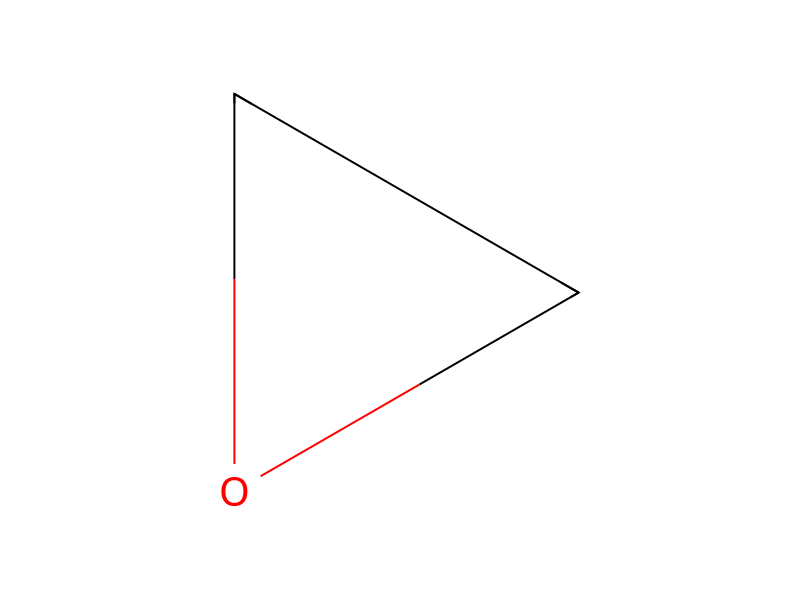

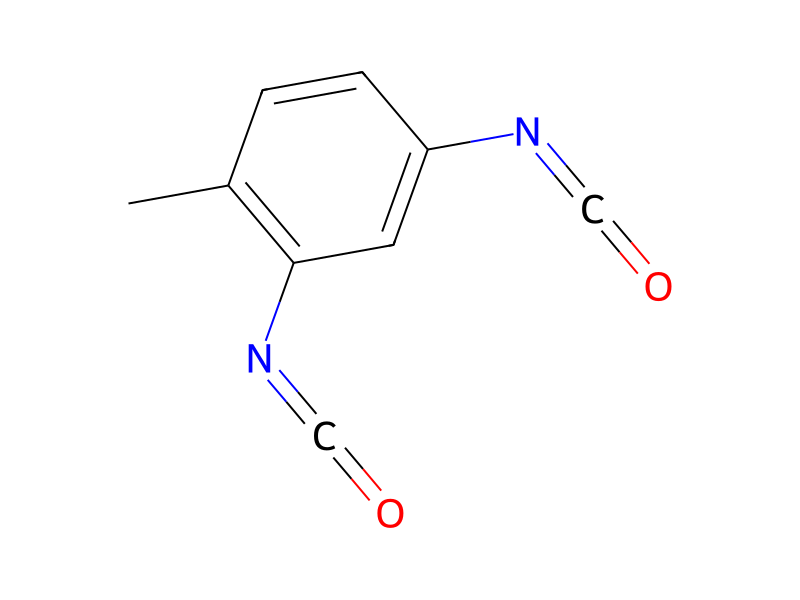


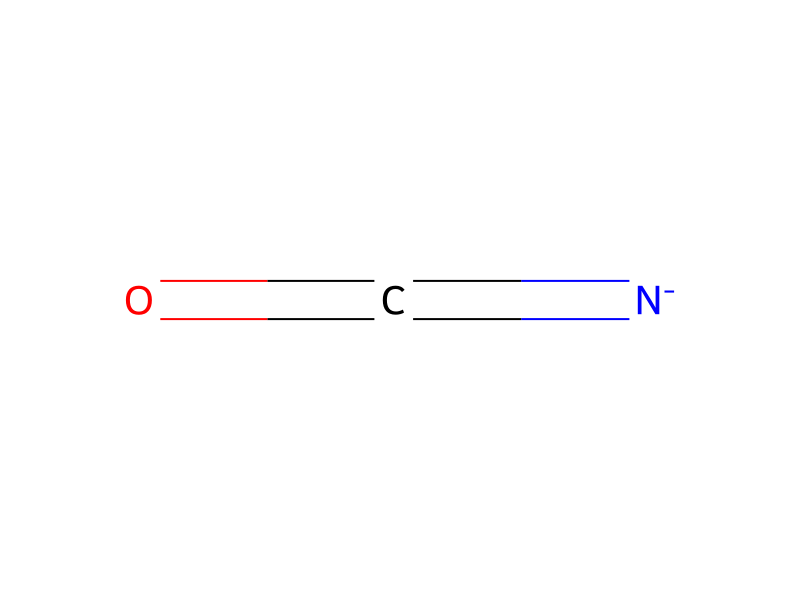

Procedure
Into a reaction vessel equipped with a stirrer were charged 3.0 parts of tolylene diisocyanate, 50.5 parts of a ring-opening copolymer from ethylene oxide and butene oxide, having a number average molecular weight of 4,000, and 0.01 part of 2,6-di-t-butyl-p-cresol, as a polymerization inhibitor. The mixture was cooled with ice to a temperature of below 10° C., while stirring. When the temperature was lower than 10° C., 0.04 part of dibutyltindilaurate was added and the mixture was stirred for 2 hours while controlling the temperature at 20-30° C. Then, after the addition of 0.3 part of γ-mercaptopropyltrimethoxy silane, the mixture was stirred for a further one hour at 30-40° C., whereupon 1.2 parts of hydroxyethyl acrylate was added. The mixture was stirred for 4 hours at 50-60° C., until the amount of remaining isocyanate is 0.1% by weight or less. The liquid urethane acrylate obtained in this manner is hereinafter referred to as UA-1.
Workup
- customInto a reaction vessel equipped with a stirrer
- temperatureThe mixture was cooled with ice to a temperature of below 10° C.
- customwas lower than 10° C.
- addition0.04 part of dibutyltindilaurate was added
- stirringthe mixture was stirred for 2 hours
- customat 20-30° C
- additionwas added
Sources & evidence
- ORD record
- ord-2d7d25fff42c4f5381d01eeb862b67d5
- Source dataset
- uspto-grants-2001_10
- Patent number
- US06309747B1
Reaction notes
Loading…