Bromine → 2,4-Bis(acetoxymethyl)bromobenzene
Reaction equation

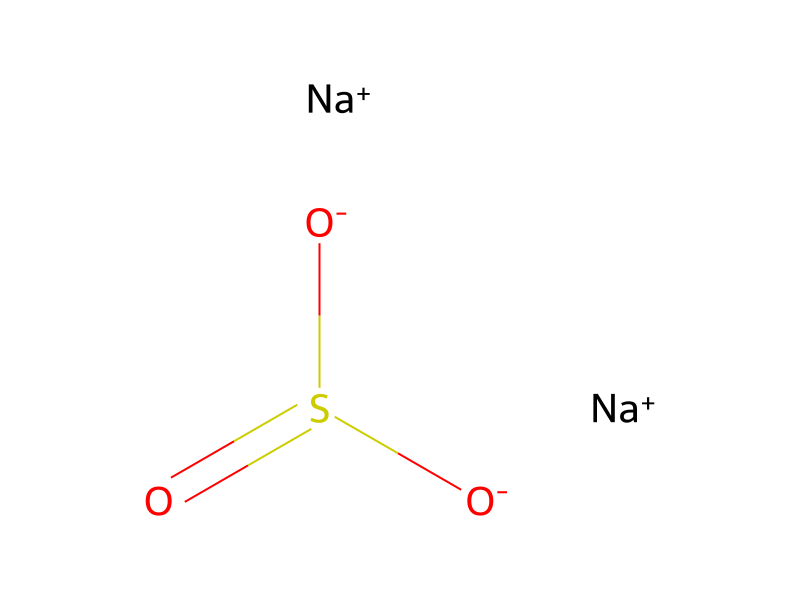
[C:1]([O:4][CH2:5][C:6]1[CH:11]=[CH:10][CH:9]=[C:8]([CH2:12][O:13][C:14](=[O:16])[CH3:15])[CH:7]=1)(=[O:3])[CH3:2].C([O-])(=O)C.[Na+].[Br:22]Br.S([O-])([O-])=O.[Na+].[Na+]>C(O)(=O)C>[C:1]([O:4][CH2:5][C:6]1[CH:7]=[C:8]([CH2:12][O:13][C:14](=[O:16])[CH3:15])[CH:9]=[CH:10][C:11]=1[Br:22])(=[O:3])[CH3:2]Participants
Reactant 4



Product 1

Reagents, catalysts & solvents 1

Conditions
- Temperature
- 25 °C
Procedure
To a suspension of m-xylylene glycol diacetate (28.4 g) and sodium acetate (55.2 g) dispersed in glacial acetic acid (130 ml) was added dropwise bromine (102.5 g) over 30 min at 15-20° C., and the mixture was stirred at 20-30° C. for 13 hr. The reaction mixture was poured into 10% aqueous sodium sulfite solution (700 ml) in an ice bath. The mixture was stirred and extracted twice with ethyl acetate (250 ml). The ethyl acetate layer was washed 3 times with 10% aqueous sodium hydrogencarbonate solution (300 ml) and the solvent was evaporated to give an about 93:7 mixture (37.6 g, 97.6%) of 2,4-bis(acetoxymethyl)bromobenzene and 2,6-bis(acetoxymethyl)bromobenzene as a yellow oil. 2,4-bis(Acetoxymethyl)bromobenzene was isolated by preparative HPLC and used in the measurement.
Workup
- stirringThe mixture was stirred
- extractionextracted twice with ethyl acetate (250 ml)
- washThe ethyl acetate layer was washed 3 times with 10% aqueous sodium hydrogencarbonate solution (300 ml)
- customthe solvent was evaporated
Sources & evidence
- ORD record
- ord-77b36ee54f4c4f05bd0f4218595e7fc7
- Source dataset
- uspto-grants-2001_10
- Patent number
- US06310222B1
Reaction notes
Loading…