Hydrazine hydrate (1:1) → HCID 59526157, compound
Reaction equation

[C:1]([C:3]([C:6]1[N:11]=[CH:10][C:9]([C:12]2[S:16][C:15]([N+:17]([O-])=O)=[C:14]([C:20]([NH2:22])=[O:21])[CH:13]=2)=[CH:8][CH:7]=1)([CH3:5])[CH3:4])#[N:2].O.NN>[Fe](Cl)(Cl)Cl>[NH2:17][C:15]1[S:16][C:12]([C:9]2[CH:10]=[N:11][C:6]([C:3]([C:1]#[N:2])([CH3:5])[CH3:4])=[CH:7][CH:8]=2)=[CH:13][C:14]=1[C:20]([NH2:22])=[O:21]Participants
Reactant 2


Product 1

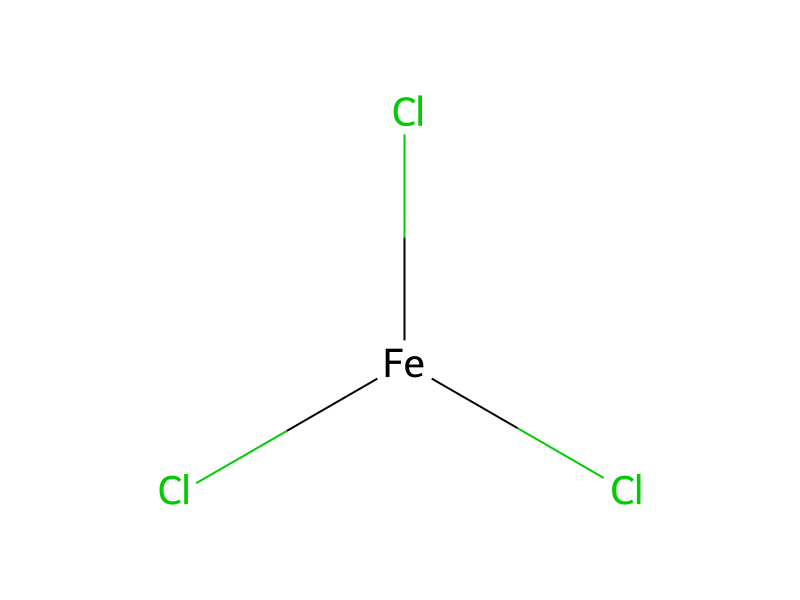
Reagents, catalysts & solvents 1
Conditions
- Temperature
- 65 °C
Procedure
Nitro reduction, Method B: 5-[6-(1-Cyano-1-methylethyl)pyridin-3-yl]-2-nitrothiophene-3-carboxamide (95 mg, 0.29 mmol) and iron (III) chloride (2.33 mg, 0.014 mmol) were put in a vial. The vial was evacuated and backfilled with argon three times. Degassed methanol (4.1 mL) was added and the solution was heated to 65° C. for 10 minutes. Hydrazine hydrate (0.04 mL, 0.86 mmol) was then added and the reaction was stirred at 65° C. for 4 hours. After cooling to room temperature, the reaction mixture was filtered through Celite. The filtrate was concentrated in vacuo. The residue was taken up in water and ethyl acetate. The organic layer was separated, dried over magnesium sulfate, filtered, and concentrated under reduced pressure to afford the title compound as a solid.
Workup
- customThe vial was evacuated
- additionDegassed methanol (4.1 mL) was added
- temperatureAfter cooling to room temperature
- filtrationthe reaction mixture was filtered through Celite
- concentrationThe filtrate was concentrated in vacuo
- customThe organic layer was separated
- dry with materialdried over magnesium sulfate
- filtrationfiltered
- concentrationconcentrated under reduced pressure
Sources & evidence
- ORD record
- ord-1cfe6cc006ce40df801ae11c04403505
- Source dataset
- uspto-grants-2013_02
- Patent number
- US08367706B2
Reaction notes
Loading…