Dicyclohexylcarbodiimide → 2,3-Dicyclohexyl-1-methyl-1-(3-(trimethoxysilyl)propyl)guanidine
Reaction equation

[CH3:1][NH:2][CH2:3][CH2:4][CH2:5][Si:6]([O:11][CH3:12])([O:9][CH3:10])[O:7][CH3:8].[CH:13]1([N:19]=[C:20]=[N:21][CH:22]2[CH2:27][CH2:26][CH2:25][CH2:24][CH2:23]2)[CH2:18][CH2:17][CH2:16][CH2:15][CH2:14]1.N=C=N>>[CH:22]1([N:21]=[C:20]([NH:19][CH:13]2[CH2:14][CH2:15][CH2:16][CH2:17][CH2:18]2)[N:2]([CH3:1])[CH2:3][CH2:4][CH2:5][Si:6]([O:11][CH3:12])([O:7][CH3:8])[O:9][CH3:10])[CH2:27][CH2:26][CH2:25][CH2:24][CH2:23]1Participants
4


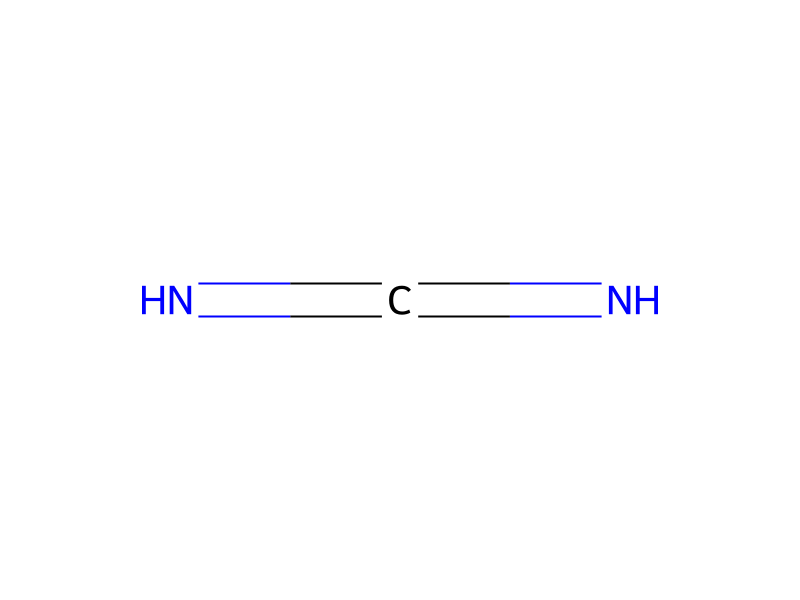

Procedure
A mixture of 23.23 g of N-methyl-(3-(trimethoxysilyl)propyl)amine (0.12 mol, 20% excess) and of 20.65 g of dicyclohexylcarbodiimide (0.1 mol) was heated for 6 h at 100° C. (carbodiimide conversion of 94%). The final colorless mixture was devolatilized at 100° C. under 2 mbar for 2 h to give 41.3 g of a colorless, moderately viscous liquid corresponding to the expected guanidine, containing 6% of the initial amine.
Sources & evidence
- ORD record
- ord-4751d33339d64701821659645dd72b63
- Source dataset
- uspto-grants-2013_02
- Patent number
- US08372935B2
Reaction notes
Loading…