Oxygen → 2-(Benzo[d]thiazol-2-yl)quinolin-8-ol
Reaction equation

OC1C=CC=C2C=1N=CC=C2.[NH2:12][C:13]1[CH:18]=[CH:17][CH:16]=[CH:15][C:14]=1[SH:19].[OH:20][C:21]1[CH:22]=[CH:23][CH:24]=[C:25]2[C:30]=1[N:29]=[C:28]([C:31](O)=O)[CH:27]=[CH:26]2.O=O.P(Cl)(Cl)Cl>C1(C)C=CC=CC=1>[S:19]1[C:14]2[CH:15]=[CH:16][CH:17]=[CH:18][C:13]=2[N:12]=[C:31]1[C:28]1[CH:27]=[CH:26][C:25]2[C:30](=[C:21]([OH:20])[CH:22]=[CH:23][CH:24]=2)[N:29]=1Participants

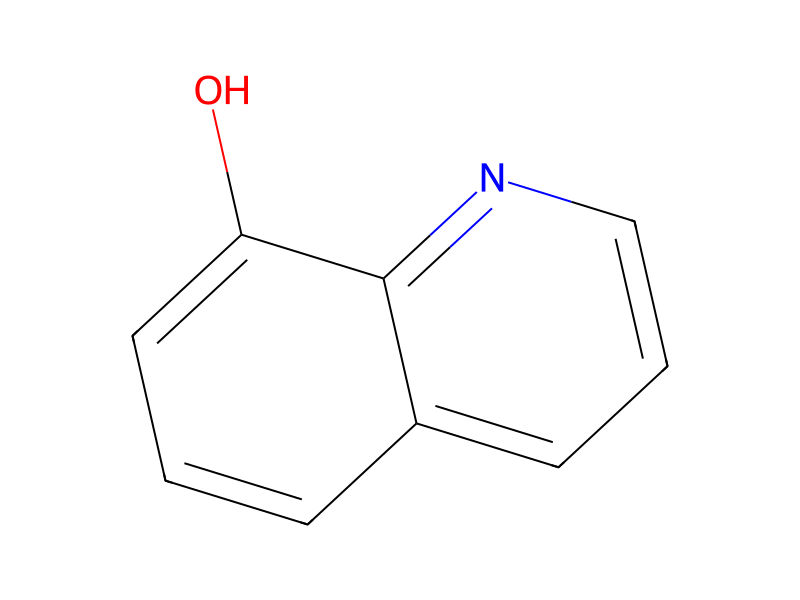

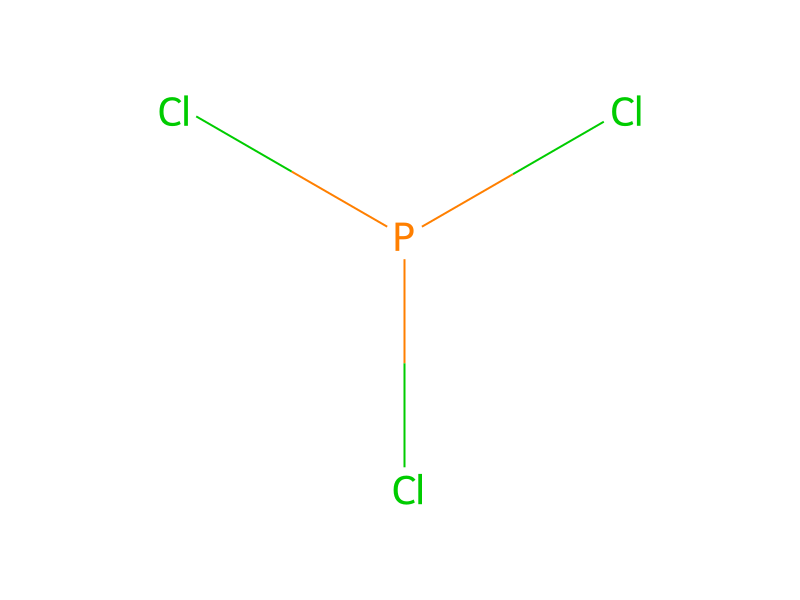



Conditions
- Temperature
- 40 °C
Procedure
To introduce a benzo[d]thiazol group into an 8-hydroxyquinoline compound, 2-aminothiophenol (123 mg, 1.1 mmol) and 8-hydroxyquinoline-2-carboxylic acid (189 mg, 2 mmol) were dissolved in dry toluene (30 ml) with blown nitrogen to prevent oxidation which is caused by oxygen in air. The solution was heated to 40° C. and phosphorus trichloride (0.1 ml, 1.1 mmol) was slowly added thereto. Then, the reaction solution was heated at 100° C. for 24 hours and allowed to cool. The reaction mixture was extracted with a 20% aqueous sodium carbonate solution, distilled water and dichloromethane, dried and recrystallized with dichloromethane and hexane to yield 2-(benzo[d]thiazol-2-yl)quinolin-8-ol, the compound of Formula 1 as a light green solid (yield: 75%).
Workup
- temperatureThen, the reaction solution was heated at 100° C. for 24 hours
- temperatureto cool
- extractionThe reaction mixture was extracted with a 20% aqueous sodium carbonate solution
- distillationdistilled water and dichloromethane
- customdried
- customrecrystallized with dichloromethane and hexane
Sources & evidence
- ORD record
- ord-d4ab3e0f1b6c43559bd78b8005c6129b
- Source dataset
- uspto-grants-2013_02
- Patent number
- US08377698B2
Reaction notes
Loading…