Hydrochloric Acid → HCID 59442717, compound
Reaction equation

[CH:1]1([C:4]2[CH:5]=[C:6]([C:13]3[N:17]([CH3:18])[N:16]=[N:15][N:14]=3)[CH:7]=[C:8]([N+:10]([O-])=O)[CH:9]=2)[CH2:3][CH2:2]1.[Sn](Cl)Cl.Cl>C(O)C>[CH:1]1([C:4]2[CH:9]=[C:8]([NH2:10])[CH:7]=[C:6]([C:13]3[N:17]([CH3:18])[N:16]=[N:15][N:14]=3)[CH:5]=2)[CH2:3][CH2:2]1Participants
5
Reactant 3

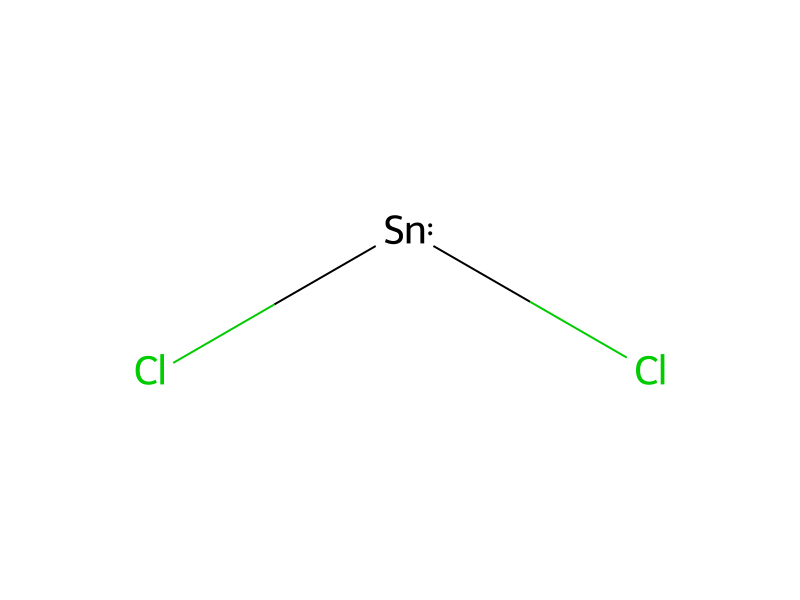

Product 1

Reagents, catalysts & solvents 1

Procedure
5-(3-Cyclopropyl-5-nitrophenyl)-1-methyl-1H-tetrazole (1.4 g, 5.7 mmol) was treated with tin (II) chloride (4.3 g, 22.8 mmol) and hydrochloric acid (0.5 mL) in ethanol (15 mL) at reflux for 1 hour. The solvent was removed under vacuum. The residue was partitioned between ethyl acetate and water. The organic layer was washed with 1M aqueous potassium carbonate solution, dried over anhydrous sodium sulfate and concentrated under vacuum. The resulting residue was purified by column chromatography, on silica gel, eluting with hexanes:ethyl acetate (70:30), to yield 3-cyclopropyl-5-(1-methyl-1H-tetrazol-5-yl)benzenamine (520 mg, 43% yield) as an off-white solid.
Workup
- temperatureat reflux for 1 hour
- customThe solvent was removed under vacuum
- customThe residue was partitioned between ethyl acetate and water
- washThe organic layer was washed with 1M aqueous potassium carbonate solution
- dry with materialdried over anhydrous sodium sulfate
- concentrationconcentrated under vacuum
- customThe resulting residue was purified by column chromatography, on silica gel
- washeluting with hexanes:ethyl acetate (70:30)
Sources & evidence
- ORD record
- ord-f3453d2cfd354427959aa53c859200ae
- Source dataset
- uspto-grants-2013_02
- Patent number
- US08377924B2
Reaction notes
Loading…