Ethyl Acetate → Methyl 3-(5-bromopyridin-3-yl)propanoate
Reaction equation

[Br:1][C:2]1[CH:3]=[C:4]([CH:8]=[CH:9][C:10]([O-:12])=[O:11])[CH:5]=[N:6][CH:7]=1.[BH4-].[Na+].[C:15](OCC)(=O)C>CO.[Cl-].[Na+].O.O.O.O.O.O.O.[Ni](Cl)Cl>[CH3:15][O:11][C:10](=[O:12])[CH2:9][CH2:8][C:4]1[CH:5]=[N:6][CH:7]=[C:2]([Br:1])[CH:3]=1Participants
7
Reactant 3



Product 1

Reagents, catalysts & solvents 3


Procedure
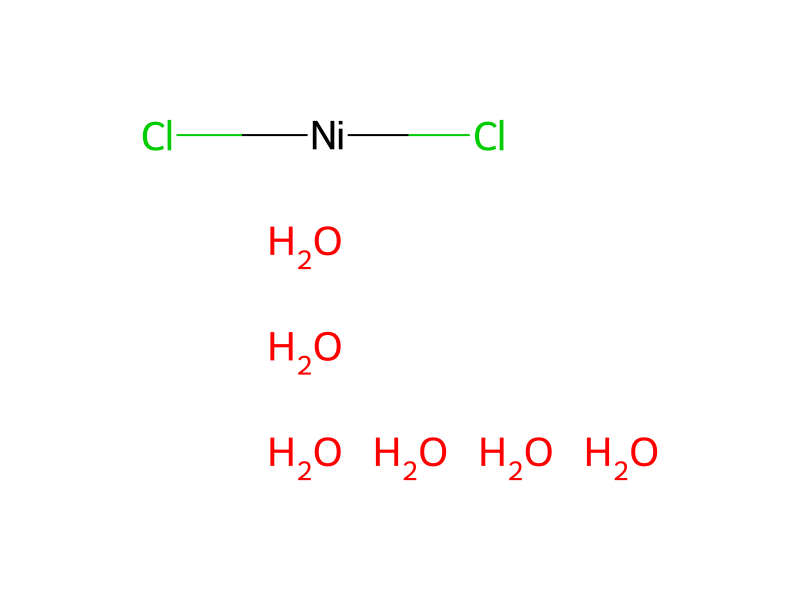
To a solution of 3-(5-bromopyridin-3-yl)acrylate (180 mg, 0.744 mmol) and nickel chloride hexahydrate (17.6 mg, 0.074 mmol) in MeOH (3 ml) was added sodium borohydride (56.3 mg, 1.487 mmol) at 0° C. This mixture was stirred for 30 min at room temperature. Brine and ethyl acetate were added and the organic layer was separated and washed with brine twice. The combined organic layer was dried over Na2SO4, filtered and concentrated to give 155 mg of crude 3-(5-Bromo-pyridin-3-yl)-propionic acid methyl ester. ESI-MS m/z: 246[M+1]+.
Workup
- customthe organic layer was separated
- washwashed with brine twice
- dry with materialThe combined organic layer was dried over Na2SO4
- filtrationfiltered
- concentrationconcentrated
Sources & evidence
- ORD record
- ord-a4b2bb34c5d943d59f5df046b00eba52
- Source dataset
- uspto-grants-2013_02
- Patent number
- US08383827B2
Reaction notes
Loading…