Sodium Hydroxide → 4-Bromo-2,5-dimethylpyridine
Reaction equation

[CH3:1][C:2]1[CH:7]=[C:6]([N+]([O-])=O)[C:5]([CH3:11])=[CH:4][N+:3]=1[O-].P(Br)(Br)[Br:14].[OH-].[Na+]>CCOC(C)=O>[Br:14][C:6]1[C:5]([CH3:11])=[CH:4][N:3]=[C:2]([CH3:1])[CH:7]=1Participants
5
Reactant 3

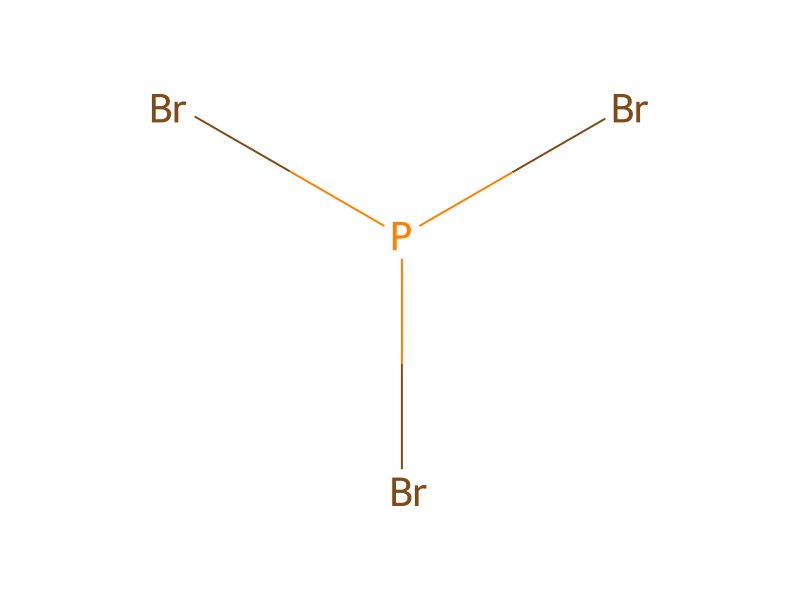

Product 1

Reagents, catalysts & solvents 1

Procedure
Bromination. To a solution of 1.65 g of 2,5-dimethyl-4-nitro-pyridine 1-oxide in 50 mL dry EtOAc was added 11.1 mL PBr3 at rt. The mixture was heated to reflux over 0.5 h. Reflux continued for 3 h, then cooled to rt and poured into ice and EtOAc. The resulting mixture was brought to pH 10 with addition of NaOH pellets and layers were separated. An additional EtOAc extraction was combined with the first and the organic layers were washed with brine, dried with Na2SO4 and concentrated under reduced pressure. The residue was purified by column chromatography (hexanes-EtOAc) to provide 4-bromo-2,5-dimethyl-pyridine (248 mg). LCMS (m/z) 186.
Workup
- temperatureThe mixture was heated
- temperatureto reflux over 0.5 h
- temperatureReflux
- customwere separated
- extractionAn additional EtOAc extraction
- washwere washed with brine
- dry with materialdried with Na2SO4
- concentrationconcentrated under reduced pressure
- customThe residue was purified by column chromatography (hexanes-EtOAc)
Sources & evidence
- ORD record
- ord-5599b62690ef4bdb84b48daf56619e82
- Source dataset
- uspto-grants-2013_02
- Patent number
- US08383644B2
Reaction notes
Loading…