Potassium Carbonate → HCID 22664926, compound
Reaction equation

O[C:2]1[CH:11]=[C:10]2[C:5]([CH:6]=[CH:7][C:8](=[O:12])[O:9]2)=[CH:4][CH:3]=1.[CH2:13]([CH:15]1[O:17][CH2:16]1)Br.C(=O)([O-])[O-].[K+].[K+].[OH-].[Na+]>CCCCCC.CC(C)=O.CCCCCC.CC(C)=O>[CH2:13]([C:2]1[CH:11]=[C:10]2[C:5]([CH:6]=[CH:7][C:8](=[O:12])[O:9]2)=[CH:4][CH:3]=1)[CH:15]1[O:17][CH2:16]1Participants


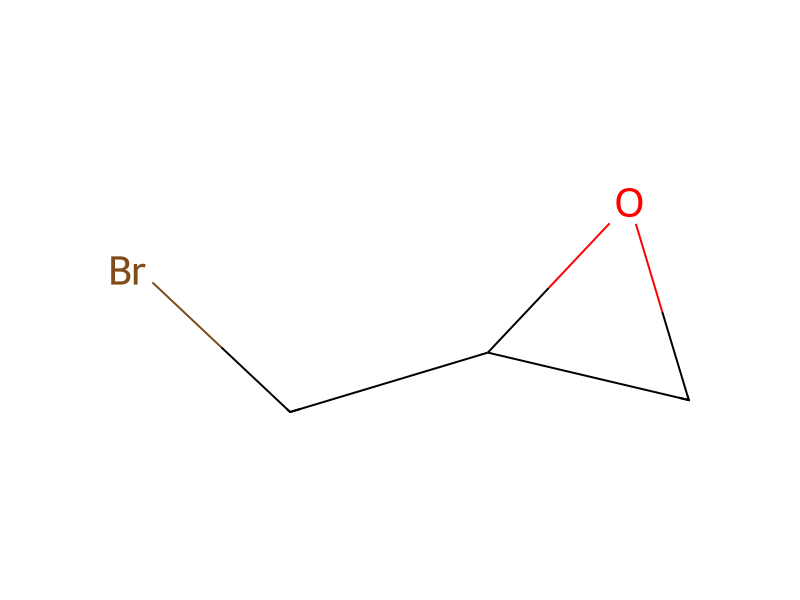





Procedure
The intermediate 7-glycidylcoumarin was prepared in a reaction flask equipped with a reflux condenser containing 16.2 g 7-hydroxycournarin, 15.8 g epibromohydrin, 13.8 g potassium carbonate and 270 mL acetone. The reaction solution was boiled and refluxed overnight, cooled, treated with 100 mL 5% NaOH aqueous solution, and extracted three times with 80 mL methylene chloride. After evaporating the solvent, a crude yellow solid was obtained. The crude solid (1.5 g) was dissolved in a solution of 30 mL hexane and 20 mL acetone at 50° C. The hexane/acetone solution was then cooled at 0° C. for 2 to 3 hr. White crystals formed and were collected by filtering and dried to a white powder. Yield: 290 mg; melting point: 110-112° C.; Rf=0.6 (8% v/v ethyl acetate/CHCl3).
Workup
- customequipped with a reflux condenser
- temperaturerefluxed overnight
- temperaturecooled
- extractionextracted three times with 80 mL methylene chloride
- customAfter evaporating the solvent
- customa crude yellow solid was obtained
- customWhite crystals formed
- customwere collected
- filtrationby filtering
- customdried to a white powder
Sources & evidence
- ORD record
- ord-21d4ac94c08b4614b858e4c36256401f
- Source dataset
- uspto-grants-2004_10
- Patent number
- US06800768B1
Reaction notes
Loading…