Ethylene Oxide → HCID 14472553, compound
Reaction equation

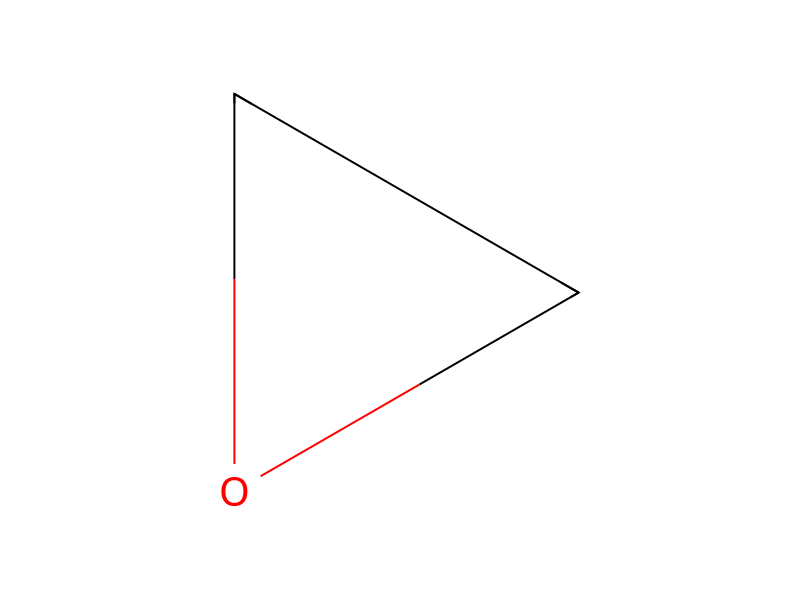
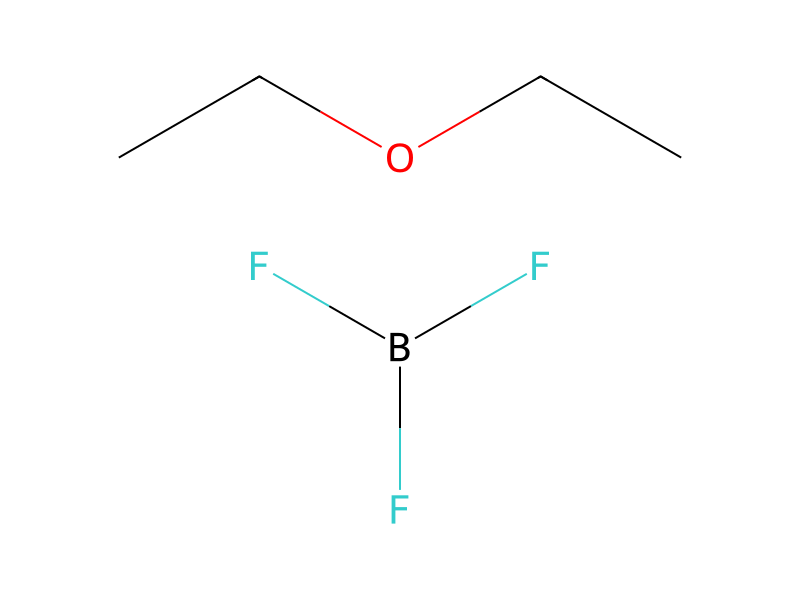
Br[C:2]1[O:7][C:6]2[CH:8]=[CH:9][CH:10]=[CH:11][C:5]=2[O:4][CH:3]=1.C([Li])CCC.B(F)(F)F.[CH3:21][CH2:22][O:23]CC.C1OC1.[Cl-].[NH4+]>O1CCCC1>[O:7]1[C:6]2[CH:8]=[CH:9][CH:10]=[CH:11][C:5]=2[O:4][CH:3]=[C:2]1[CH2:21][CH2:22][OH:23]Participants





Conditions
- Temperature
- -78 °C
Procedure
3.73 g (17.5 mmol) of the compound obtained in Step A are dissolved in 90 ml of anhydrous tetrahydrofuran; the mixture is then cooled to −78° C. 16.4 ml (26.25 mmol) of n-butyllithium (1.6 M/hexane) are then slowly added to the solution; the reaction mixture is then stirred for 2 hours under argon at the same temperature. 2.2 ml (17.5 mmol) of boron trifluoride etherate and an excess of ethylene oxide are added in succession to the solution. After 30 minutes of stirring at −78° C., the reaction mixture is hydrolysed with a saturated ammonium chloride solution; the aqueous phase is then extracted with ethyl acetate. The organic phase dried over magnesium sulphate and then filtered, is concentrated in vacuo. The title alcohol is obtained pure in the form of a clear oil after passage over a silica column (eluant: AcOEt/PE: 20/80).
Workup
- stirringAfter 30 minutes of stirring at −78° C.
- extractionthe aqueous phase is then extracted with ethyl acetate
- dry with materialThe organic phase dried over magnesium sulphate
- filtrationfiltered
- concentrationis concentrated in vacuo
Sources & evidence
- ORD record
- ord-438a4fd8954942f3909e50f5ae706b21
- Source dataset
- uspto-grants-2003_08
- Patent number
- US06602903B2
Reaction notes
Loading…