Propyl isocyanate → HCID 10333771, compound
Reaction equation

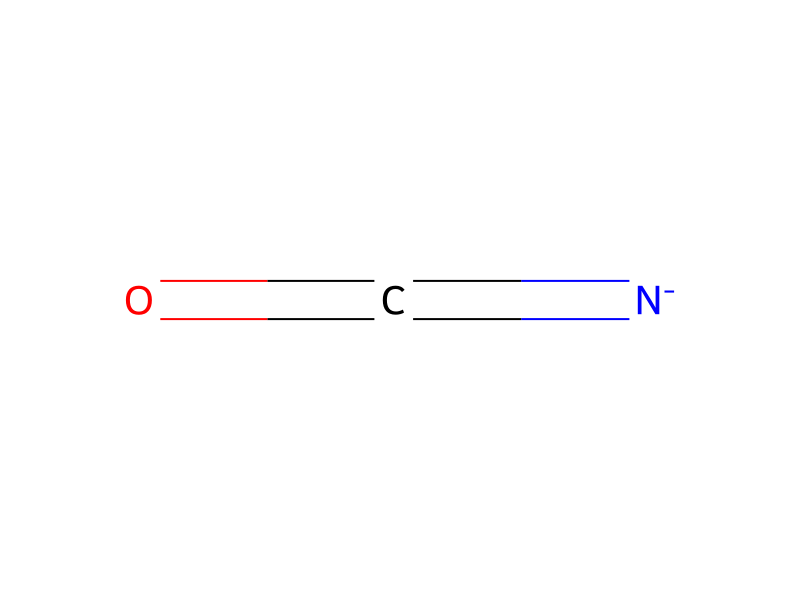
[CH3:1][O:2][C:3]1[CH:4]=[CH:5][C:6]2[O:11][CH:10]=[C:9]([CH2:12][NH2:13])[O:8][C:7]=2[CH:14]=1.[CH2:15]([N:18]=[C:19]=[O:20])[CH2:16][CH3:17].[N-]=C=O>C1(C)C=CC=CC=1.O>[CH3:1][O:2][C:3]1[CH:4]=[CH:5][C:6]2[O:11][CH:10]=[C:9]([CH2:12][NH:13][C:19]([NH:18][CH2:15][CH2:16][CH3:17])=[O:20])[O:8][C:7]=2[CH:14]=1Participants
6
Reactant 3


Product 1

Reagents, catalysts & solvents 2


Procedure
The amine obtained in Step C of Example 24 is dissolved in 16 ml of anhydrous toluene; 0.78 g (9.17 mmol) of n-propyl isocyanate is then added to the medium. After 4 hours of stirring under an inert atmosphere and at ambient temperature, the excess of isocyanate is neutralised with a few drops of water. The solvent is then evaporated in vacuo. The residue obtained is purified on a silica column (eluant: MeOH/CH2Cl2: 10/90) to yield the title urea in the form of a white solid.
Workup
- customThe solvent is then evaporated in vacuo
- customThe residue obtained
- customis purified on a silica column (eluant: MeOH/CH2Cl2: 10/90)
Sources & evidence
- ORD record
- ord-507456d05e9d466ba9f332c4b7c96709
- Source dataset
- uspto-grants-2003_08
- Patent number
- US06602903B2
Reaction notes
Loading…