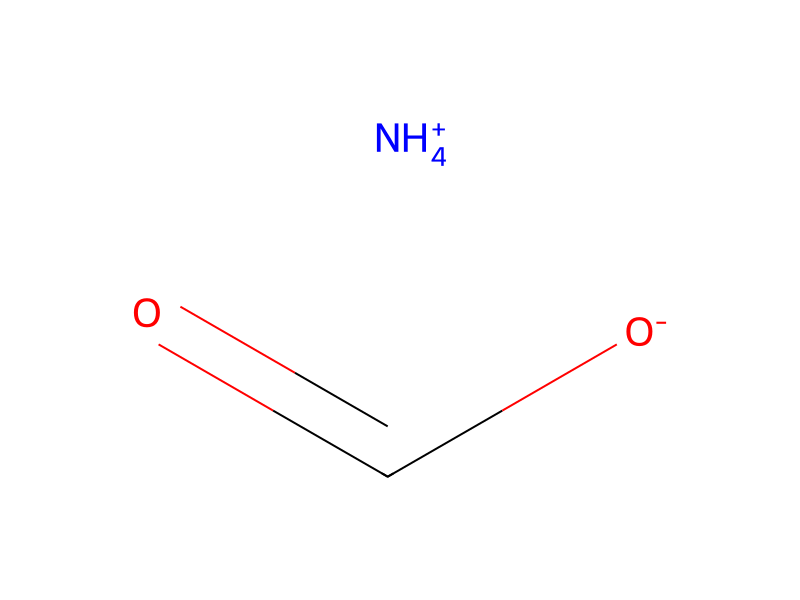
Ammonium formate → HCID 23003986, compound
Reaction equation

[C:1]([NH:8][C@@H:9]([CH2:14][C:15]1[CH:16]=[C:17]2[C:22](=[CH:23][CH:24]=1)[N:21]=[CH:20][CH:19]=[CH:18]2)[C:10]([O:12][CH3:13])=[O:11])([O:3][C:4]([CH3:7])([CH3:6])[CH3:5])=[O:2].C([O-])=O.[NH4+]>C(O)C.[Pd]>[C:1]([NH:8][CH:9]([CH2:14][C:15]1[CH:16]=[C:17]2[C:22](=[CH:23][CH:24]=1)[NH:21][CH2:20][CH2:19][CH2:18]2)[C:10]([O:12][CH3:13])=[O:11])([O:3][C:4]([CH3:6])([CH3:7])[CH3:5])=[O:2]Participants




Procedure
A solution of methyl (S) 2-(N-boc-amino)-3-quinolin-6-yl-propionate [3.8 g, Reference Example 20(a)] in ethanol (100 ml) at 60° C. was treated with ammonium formate (10 g) and 10% palladium on charcoal (500 mg). After stirring at 60° C. further ammonium formate (about 5 g) and palladium on charcoal (about 250 mg) were added, and this was repeated at 30 minute intervals for a further 2 hours, at which time TLC analysis indicated the reaction was complete. After cooling to room temperature the mixture was filtered through Celite to remove spent catalyst, and the filtrate was evaporated. The residue was partitioned between ethyl acetate (200 ml) and sodium bicarbonate solution (200 ml). The organic phase was dried and evaporated to give the title compound (3.8 g) as a colourless oil which slowly crystallised on standing.
Workup
- additionwere added
- waitintervals for a further 2 hours
- filtrationwas filtered through Celite
- customto remove
- customthe filtrate was evaporated
- customThe residue was partitioned between ethyl acetate (200 ml) and sodium bicarbonate solution (200 ml)
- customThe organic phase was dried
- customevaporated
Sources & evidence
- ORD record
- ord-ad8bdba56cd04734810cac81032fc0b2
- Source dataset
- uspto-grants-2003_08
- Patent number
- US06608084B1
Reaction notes
Loading…