Glycine → 2-Chlorobenzoic Acid
Reaction equation

[Cl:1][C:2]1[CH:10]=[C:9](Cl)[CH:8]=[CH:7][C:3]=1[C:4]([OH:6])=[O:5].NCC(O)=O>ClC1C=C(O)C(=CC=1)C(O)=O>[Cl:1][C:2]1[CH:10]=[CH:9][CH:8]=[CH:7][C:3]=1[C:4]([OH:6])=[O:5]Participants
4
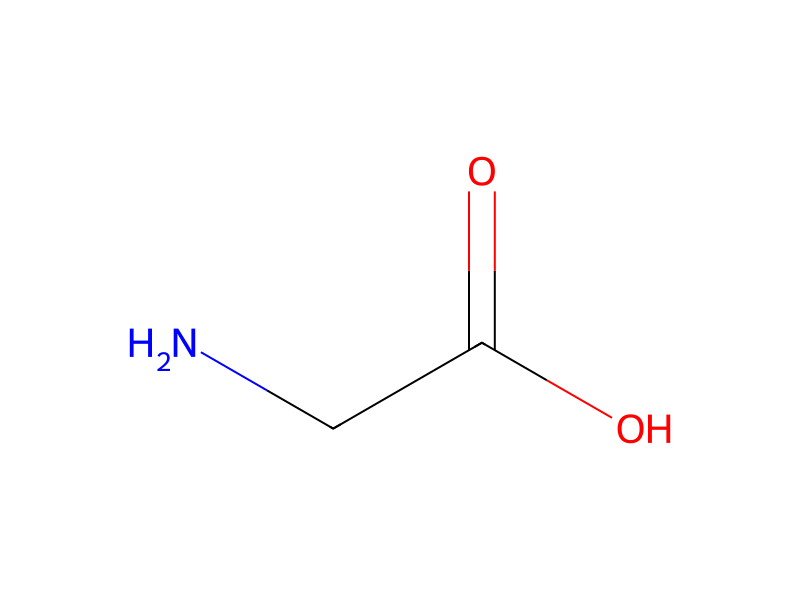

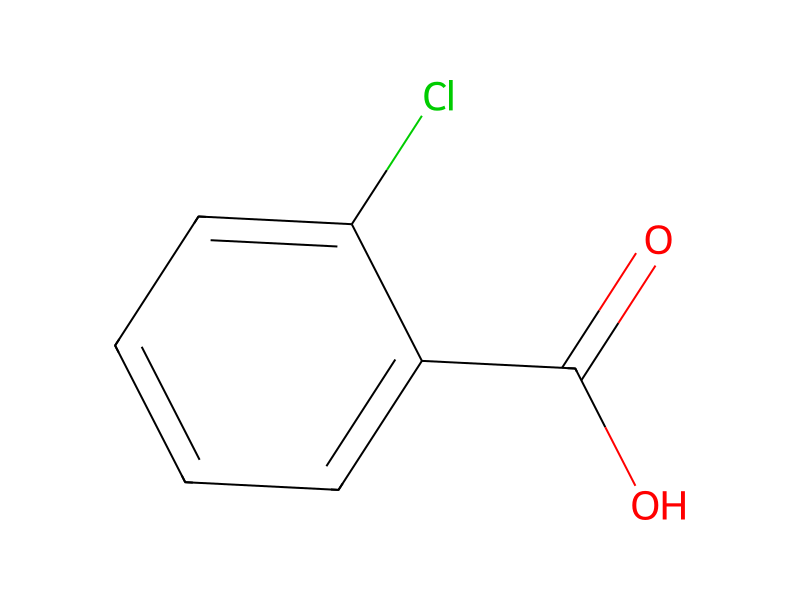
Reagents, catalysts & solvents 1

Procedure
If 2,4-dichlorobenzoic acid is reacted with glycine analogously to DE-C 142 507 by initially introducing all the reactants into the reaction vessel and then carrying out the reaction while stirring and heating, by-products, in particular 4-chlorosalicylic acid, form - as a corresponding comparison experiment demonstrates - to a not inconsiderable extent. The statement made in DE-C 142 507, that the yield is almost the yield in theory when 2-chlorobenzoic acid is used, cannot be confirmed if 2,4-dichlorobenzoic acid is used as the starting substance.
Workup
- additionby initially introducing all the reactants into the reaction vessel
- customthe reaction
- temperatureheating
Sources & evidence
- ORD record
- ord-041c6fdf706948138a5eba1ed781a248
- Source dataset
- uspto-grants-1998_10
- Patent number
- US05821385
Reaction notes
Loading…