Potassium Carbonate → HCID 86676414, compound
Reaction equation

[C:1]([O:9][CH2:10][C@:11]12[CH2:44][CH2:43][C@@H:42]([C:45]([CH3:47])=[CH2:46])[C@@H:12]1[C@@H:13]1[C@@:26]([CH3:29])([CH2:27][CH2:28]2)[C@@:25]2([CH3:30])[C@@H:16]([C@:17]3([CH3:41])[C@@H:22]([CH2:23][CH2:24]2)[C:21]([CH3:32])([CH3:31])[C:20](OS(C(F)(F)F)(=O)=O)=[CH:19][CH2:18]3)[CH2:15][CH2:14]1)(=[O:8])[C:2]1[CH:7]=[CH:6][CH:5]=[CH:4][CH:3]=1.O.C(=O)([O-])[O-].[Na+].[Na+].[C:55]([O:59][C:60]([C:62]1[CH:67]=[CH:66][C:65](B(O)O)=[CH:64][CH:63]=1)=[O:61])([CH3:58])([CH3:57])[CH3:56].C(=O)([O-])[O-].[K+].[K+].P([O-])([O-])([O-])=O.[K+].[K+].[K+]>O1CCOCC1.C1C=CC([P]([Pd]([P](C2C=CC=CC=2)(C2C=CC=CC=2)C2C=CC=CC=2)([P](C2C=CC=CC=2)(C2C=CC=CC=2)C2C=CC=CC=2)[P](C2C=CC=CC=2)(C2C=CC=CC=2)C2C=CC=CC=2)(C2C=CC=CC=2)C2C=CC=CC=2)=CC=1.O.CC(O)C>[C:1]([O:9][CH2:10][C@:11]12[CH2:44][CH2:43][C@@H:42]([C:45]([CH3:47])=[CH2:46])[C@@H:12]1[C@@H:13]1[C@@:26]([CH3:29])([CH2:27][CH2:28]2)[C@@:25]2([CH3:30])[C@@H:16]([C@:17]3([CH3:41])[C@@H:22]([CH2:23][CH2:24]2)[C:21]([CH3:31])([CH3:32])[C:20]([C:65]2[CH:66]=[CH:67][C:62]([C:60]([O:59][C:55]([CH3:58])([CH3:57])[CH3:56])=[O:61])=[CH:63][CH:64]=2)=[CH:19][CH2:18]3)[CH2:15][CH2:14]1)(=[O:8])[C:2]1[CH:7]=[CH:6][CH:5]=[CH:4][CH:3]=1Participants
Reactant 5


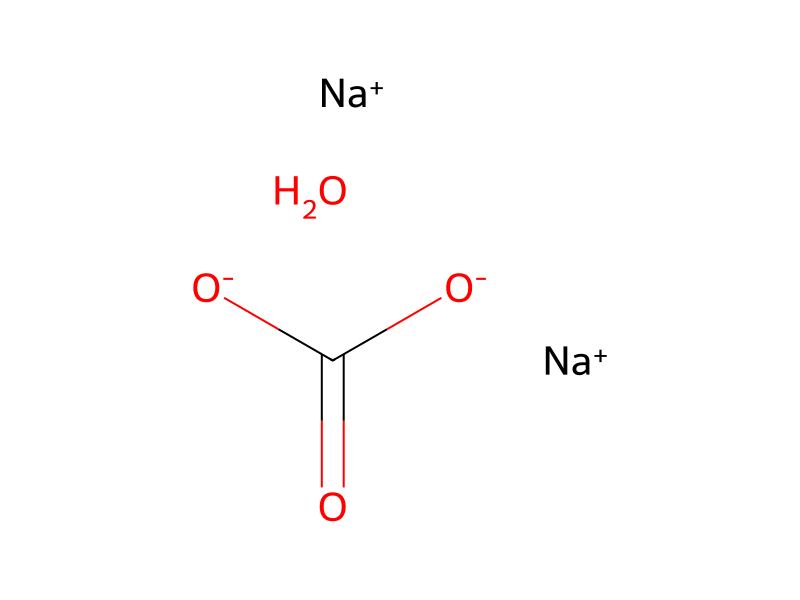


Product 1

Reagents, catalysts & solvents 4




Procedure
To a solution of ((1R,3aS,5aR,5bR,7aR,11aR,11bR,13aR,13bR)-5a,5b,8,8,11a-pentamethyl-1-(prop-1-en-2-yl)-9-(trifluoromethylsulfonyloxy)-2,3,3a,4,5,5a,5b,6,7,7a,8,11,11a,11b,12,13,13a,13b-octadecahydro-1H-cyclopenta[a]chrysen-3a-yl)methyl benzoate (9.85 g, 14.55 mmol) in 1,4-dioxane (50 ml) was added 2-propanol (50.0 ml), water (20 ml), sodium carbonate monohydrate (5.41 g, 43.7 mmol), 4-tert-butoxycarbonylphenylboronic acid (4.85 g, 21.83 mmol), and tetrakis(triphenylphosphine)palladium(0) (0.504 g, 0.437 mmol). Potassium carbonate and potassium phosphate can also be used instead of sodium carbonate monohydrate. The sides of the flask were rinsed with an additional 20 ml of dioxane and the mixture was attached to a reflux condenser, was flushed with N2 and was heated to reflux. Upon heating, the solids in the mixture dissolved completely. The solution was heated at reflux for 3.5 h, was cooled to rt and was diluted with 200 ml of water. The mixture was extracted with ethyl acetate (3×150 ml) and the combined organic layers were dried with Na2SO4. The drying agent was removed by filtration and the filtrate was concentrated under reduced pressure. The residue purified by flash chromatography using a 0-15% EtOAc in hexanes gradient to afford the title compound as a white foam (9.5 g, ˜83% pure based on 1H NMR integrations). The product was used in the next step with no additional purification.
Workup
- washThe sides of the flask were rinsed with an additional 20 ml of dioxane
- customthe mixture was attached to a reflux condenser
- customwas flushed with N2
- temperaturewas heated to reflux
- temperatureUpon heating
- dissolutionthe solids in the mixture dissolved completely
- temperatureThe solution was heated
- temperatureat reflux for 3.5 h
- additionwas diluted with 200 ml of water
- extractionThe mixture was extracted with ethyl acetate (3×150 ml)
- dry with materialthe combined organic layers were dried with Na2SO4
- customThe drying agent was removed by filtration
- concentrationthe filtrate was concentrated under reduced pressure
- customThe residue purified by flash chromatography
Sources & evidence
- ORD record
- ord-eba058fa70be47bb8c3a0ecd1f5c57f8
- Source dataset
- uspto-grants-2014_06
- Patent number
- US08748415B2
Reaction notes
Loading…