Water → (R)-1-(2-Methoxy-4-nitrophenyl)pyrrolidin-3-ol
Reaction equation

Cl[C:2]1[CH:7]=[CH:6][C:5]([N+:8]([O-:10])=[O:9])=[CH:4][C:3]=1[O:11][CH3:12].[OH:13][CH:14]1[CH2:18][CH2:17][NH:16][CH2:15]1.O>C(OCC)(=O)C.[Cl-].[Na+].O>[CH3:12][O:11][C:3]1[CH:4]=[C:5]([N+:8]([O-:10])=[O:9])[CH:6]=[CH:7][C:2]=1[N:16]1[CH2:17][CH2:18][C@@H:14]([OH:13])[CH2:15]1Participants
6


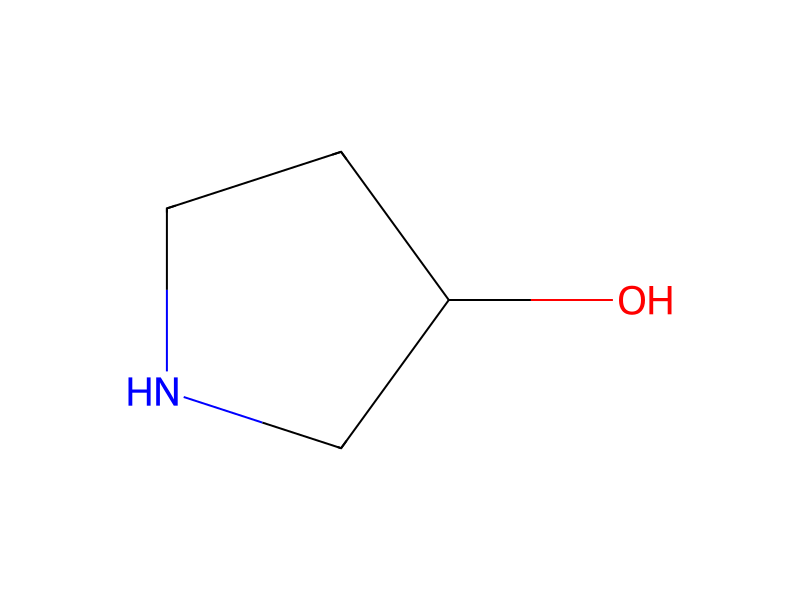



Conditions
- Temperature
- 110 °C
Procedure
A mixture of 2-chloro-5-nitroanisole (0.59 g, 3.1 mmol) and 3-hydroxy pyrrolidine (0.55 g, 6.2 mmol) was heated neat to 110° C. over night. Reaction mass was diluted with ethyl acetate and the organic layer was given water and brine wash, dried over Na2SO4, concentration yields dark red solid (0.6 g, 82% yield). LC-MS, [M+H]+=239.
Workup
- customReaction mass
- washwash
- dry with materialdried over Na2SO4, concentration
Sources & evidence
- ORD record
- ord-6b9b639d45024e04ac7241ac4519380c
- Source dataset
- uspto-grants-2014_06
- Patent number
- US08754211B2
Reaction notes
Loading…