Ammonia → 3-Chloro-4-(4-phenylpyrimidin-2-ylamino)benzamide
Reaction equation

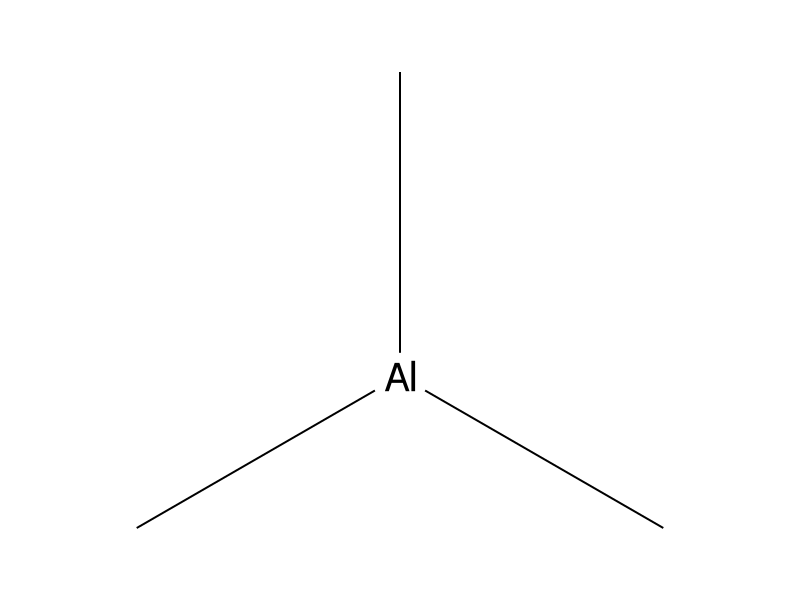
C[Al](C)C.[NH3:5].O1CCOCC1.[Cl:12][C:13]1[CH:14]=[C:15]([CH:19]=[CH:20][C:21]=1[NH:22][C:23]1[N:28]=[C:27]([C:29]2[CH:34]=[CH:33][CH:32]=[CH:31][CH:30]=2)[CH:26]=[CH:25][N:24]=1)[C:16]([O-])=[O:17]>C(Cl)Cl>[Cl:12][C:13]1[CH:14]=[C:15]([CH:19]=[CH:20][C:21]=1[NH:22][C:23]1[N:28]=[C:27]([C:29]2[CH:34]=[CH:33][CH:32]=[CH:31][CH:30]=2)[CH:26]=[CH:25][N:24]=1)[C:16]([NH2:5])=[O:17]Participants
6





Procedure
Trimethylaluminum (0.8 mL, 2.0 mmol, 2.5M in hexanes) was slowly added to a solution of ammonia in dioxane (4 mL, 0.5 mmol) under argon at room temperature. After stirring for 15 min at room temperature, 3-chloro-4-(4-phenylpyrimidin-2-ylamino)benzoate (0.67 g, 2.0 mmol) in CH2Cl2 was added slowly. The mixture was stirred at room temperature until the ester had been consumed as judged by analytical HPLC analysis. The reaction was quenched with 1 N HCl and the layers were separated. The aqueous layer was extracted with CH2Cl2 (2×), and the combined organics were dried (MgSO4) and concentrated to afford (3-chloro-4-(4-phenylpyrimidin-2-ylamino)benzamide. MS (ESI) 325 (M+H).
Workup
- customhad been consumed
- customThe reaction was quenched with 1 N HCl
- customthe layers were separated
- extractionThe aqueous layer was extracted with CH2Cl2 (2×)
- dry with materialthe combined organics were dried (MgSO4)
- concentrationconcentrated
Sources & evidence
- ORD record
- ord-1aa9e74c2b4c4620b7384a0544710ff6
- Source dataset
- uspto-grants-2013_09
- Patent number
- US08530480B2
Reaction notes
Loading…