Acetic Acid → HCID 67248823, compound
Reaction equation

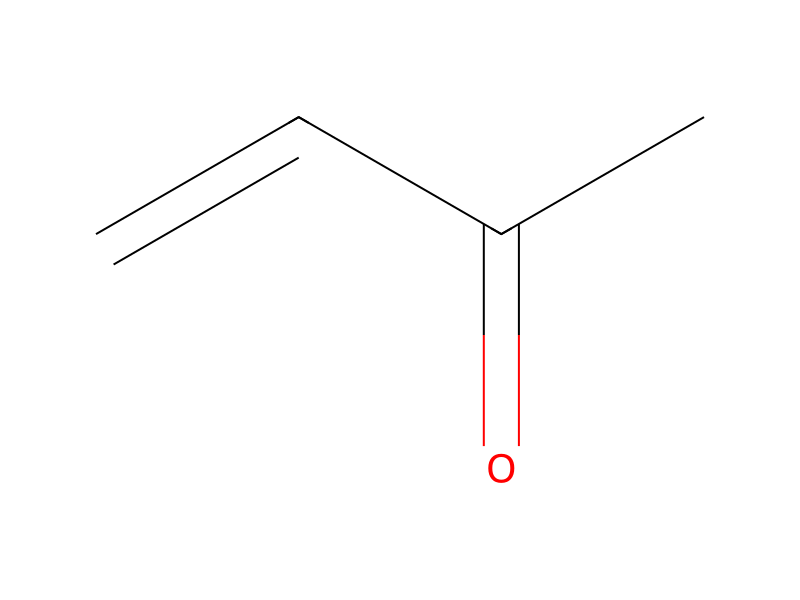
CC[C:3]([O:5][C:6]([CH:8]([CH3:10])[CH3:9])=[O:7])=O.C[O-].[Na+].[CH:14]([C:16]([CH3:18])=[O:17])=C.C(O)(=O)C.N1C[CH2:26][CH2:25][CH2:24]1>CCOCC.O.CO>[O:17]=[C:16]1[CH2:18][CH2:9][CH:8]([C:6]([O:5][CH3:3])=[O:7])[C:10]([CH:25]([CH3:26])[CH3:24])=[CH:14]1Participants
Reactant 5




Product 1

Reagents, catalysts & solvents 3



Procedure
Methyl isobutyryl acetate (7.20 g, 49.9 mmol) and sodium methoxide (0.896 g, 4.14 mmol) were cooled to 0° C. Methyl vinyl ketone (4.12 ml, 49.9 mmol) was added dropwise, and the solution was allowed to warm to rt and stirred 1 h at that temperature. Acetic acid (0.249 ml, 4.34 mmol) was added, followed by a mixture of MeOH (6.75 ml):Water (750 μL), and finally a solution of pyrrolidine (0.349 ml, 4.21 mmol) in acetic acid (0.309 ml, 5.39 mmol). The resultant solution was heated to reflux (115° C.) for 2 h. The reaction was allowed to cool to room temperature and then diluted with Et2O and water. The layers were separated and the aqueous portion extracted again with Et2O (1×). The combined organic layers were dried over Na2SO4 and concentrated in vacuo to afford methyl 4-oxo-2-(propan-2-yl)cyclohex-2-ene-1-carboxylate (5.11 g, 52%) as a yellow oil, which was used in the subsequent step without further purification.
Workup
- temperatureto reflux (115° C.) for 2 h
- temperatureto cool to room temperature
- customThe layers were separated
- extractionthe aqueous portion extracted again with Et2O (1×)
- dry with materialThe combined organic layers were dried over Na2SO4
- concentrationconcentrated in vacuo
Sources & evidence
- ORD record
- ord-7ecc6289cff84285a81afe7e6349426d
- Source dataset
- uspto-grants-2014_06
- Patent number
- US08759366B2
Reaction notes
Loading…