Phthalic Anhydride → O-(p-Anisoyl)benzoic acid
Reaction equation

[Cl-].[Al+3].[Cl-].[Cl-].[C:5]1(=[O:15])[O:10][C:8](=[O:9])[C:7]2=[CH:11][CH:12]=[CH:13][CH:14]=[C:6]12.[C:16]1([O:22][CH3:23])[CH:21]=[CH:20][CH:19]=[CH:18][CH:17]=1>C(=S)=S>[CH3:23][O:22][C:16]1[CH:21]=[CH:20][C:19]([C:8]([C:7]2[CH:11]=[CH:12][CH:13]=[CH:14][C:6]=2[C:5]([OH:10])=[O:15])=[O:9])=[CH:18][CH:17]=1Participants
Reactant 3
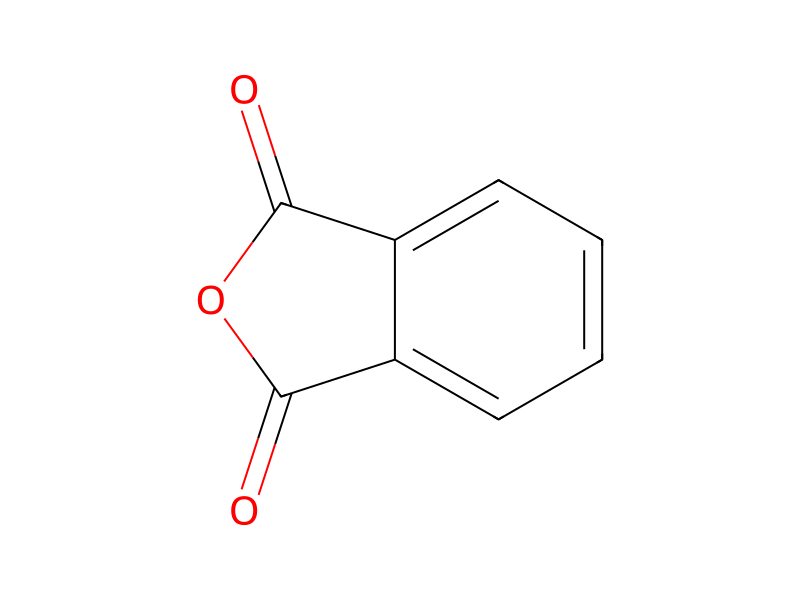
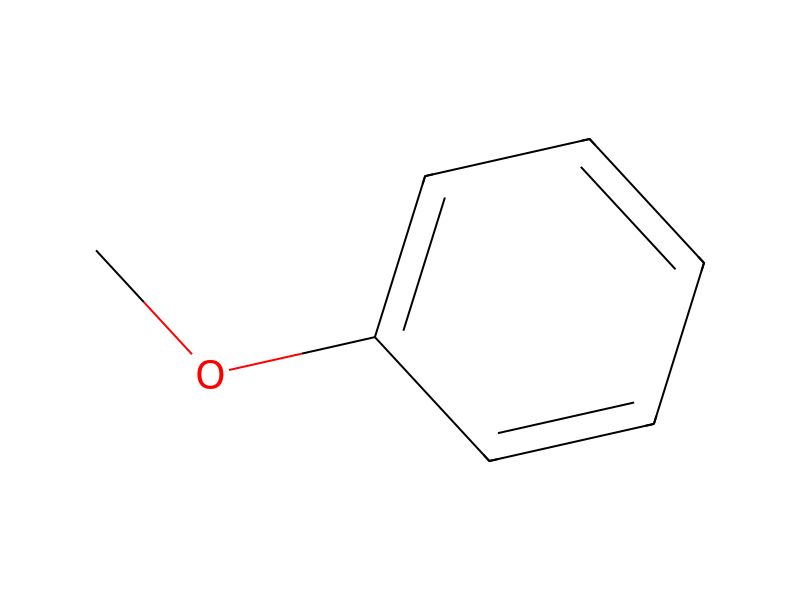

Product 1

Reagents, catalysts & solvents 1

Procedure
Anhydrous aluminum chloride (140 g) was added at ambient temperature to a vigorously stirred mixture of 148 g of phthalic anhydride, 250 ml anisole, and 250 ml carbon disulfide. After 2.5 hours, the solution was hydrolyzed with ice water and the organic solvents were removed by steam distillation. A gray solid which precipitated when the residual solution cooled to room temperature was separated from the liquid by decantation and dissolved in ca. 1 L chloroform. Rotary evaporation of the chloroform left 107 g (42%) of white solid which was recrystallized from acetic acid/water: mp. 142°-144.5° C. (lit.* mp. 122°-123.5° C.). IR (KBr): 1686, 1660 (two different carbonyls), 1550-1600, 1420-1370, 1280, 1255, 1170, 1150, 1015, 850, 800, 755 cm-1.
Workup
- customthe organic solvents were removed by steam distillation
- customA gray solid which precipitated when the residual solution
- customwas separated from the liquid by decantation
- dissolutiondissolved in ca. 1 L chloroform
- customRotary evaporation of the chloroform
- waitleft 107 g (42%) of white solid which
- customwas recrystallized from acetic acid/water
Sources & evidence
- ORD record
- ord-a4e43a929d5a4400a026c19ae055c9d7
- Source dataset
- uspto-grants-1988_12
- Patent number
- US04790961
Reaction notes
Loading…