Lithium Bromide → HCID 21281889, compound
Reaction equation

[Cl:1][C:2]1[N:3]=[N:4][C:5]([CH3:23])=[CH:6][C:7]=1[C:8]([CH3:22])([CH2:10]OS(C1C=CC(C)=CC=1)(=O)=O)[CH3:9].[Br-:24].[Li+]>CS(C)=O>[Br:24][CH2:10][C:8]([C:7]1[CH:6]=[C:5]([CH3:23])[N:4]=[N:3][C:2]=1[Cl:1])([CH3:22])[CH3:9]Participants
4
Reactant 2
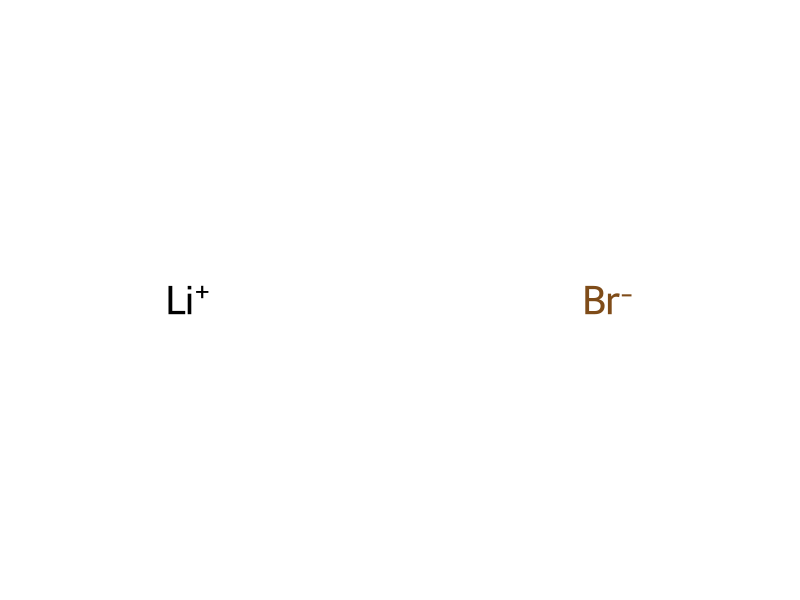

Product 1

Reagents, catalysts & solvents 1

Procedure
A 0.6 g. portion of 3-chloro-4-(1-methyl-1-p-toluenesulfonyloxymethylethyl)-6-methylpyridazine was dissolved in 10 ml. of dimethylsulfoxide and was reacted with 0.3 g. of lithium bromide at 110°, as described in examples above, to obtain 200 mg. of the desired product, a light yellow oil, the identity of which was confirmed by mass spectroscopy. A molecular ion of weight 262 was observed, as was the ion of weight 169 which resulted from loss of the bromomethyl group from the compound.
Workup
- customat 110°
- customto obtain 200 mg
Sources & evidence
- ORD record
- ord-12e6dd64f41b443da5d27a24a929645b
- Source dataset
- uspto-grants-1988_12
- Patent number
- US04791110
Reaction notes
Loading…