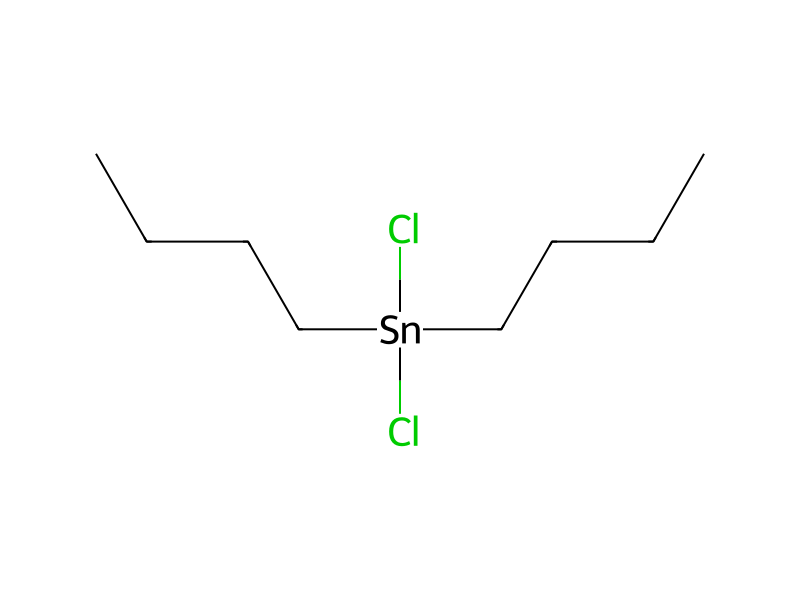
Dibutyltin dichloride → HCID 66648191, compound
Reaction equation

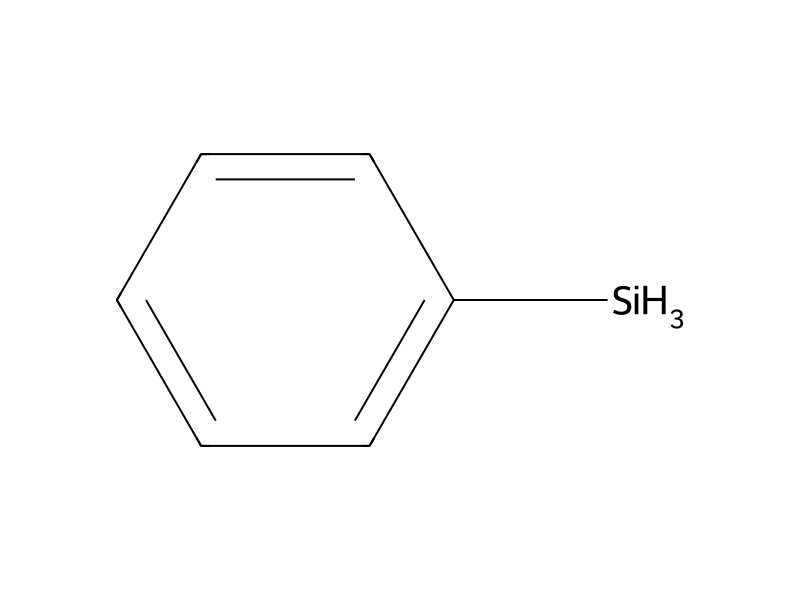
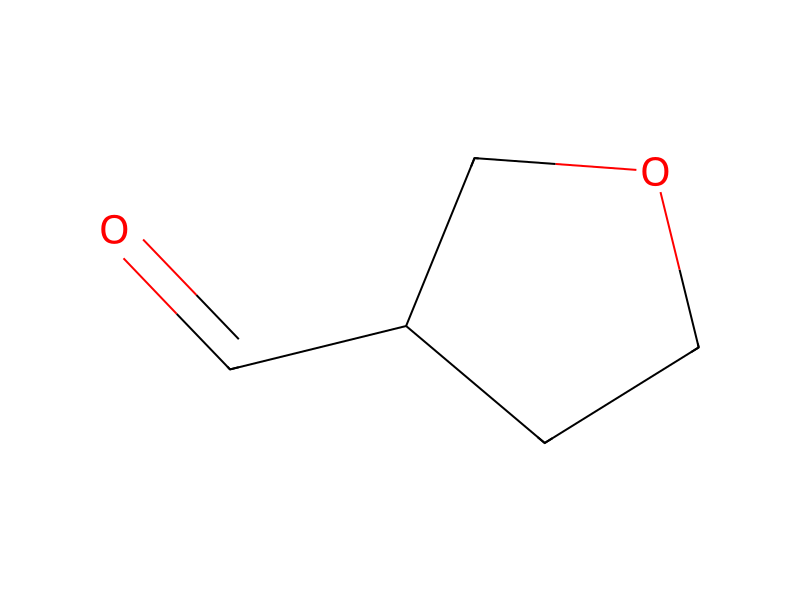
[NH2:1][C:2]1[CH:3]=[CH:4][C:5]2[O:10][CH2:9][CH2:8][N:7]([C:11]3[S:12][C:13]4[C:19](=[O:20])[CH2:18][C:17]([CH3:22])([CH3:21])[CH2:16][C:14]=4[N:15]=3)[C:6]=2[CH:23]=1.[O:24]1[CH2:28][CH2:27][CH:26]([CH:29]=O)[CH2:25]1.C1([SiH3])C=CC=CC=1.C([Sn](Cl)(Cl)CCCC)CCC>C1COCC1>[CH3:22][C:17]1([CH3:21])[CH2:16][C:14]2[N:15]=[C:11]([N:7]3[C:6]4[CH:23]=[C:2]([NH:1][CH2:29][CH:26]5[CH2:27][CH2:28][O:24][CH2:25]5)[CH:3]=[CH:4][C:5]=4[O:10][CH2:9][CH2:8]3)[S:12][C:13]=2[C:19](=[O:20])[CH2:18]1Participants



Procedure
A mixture of Example 12 (50 mg, 0.15 mmol), tetrahydrofuran-3-carboxaldehyde (30 mg, 0.15 mmol), phenylsilane (0.04 mL, 0.3 mmol) and dibutyltin dichloride (5 mg, 0.015 mmol) in THF (3 mL) was heated to 100° C. under microwave irradiation for 40 min. After cooling to r.t., the mixture was partitioned between EtOAc (50 mL) and water (50 mL). The organics were washed with brine (50 mL), dried (MgSO4) and concentrated in vacuo. The crude material was purified by prep HPLC to give the title compound as a yellow solid (14 mg, 22%). δH (CDCl3) 1.08 (6H, s), 1.56-1.71 (2H, m), 1.98-2.13 (1H; m), 2.35 (2H, s), 2.43-2.57 (1H, m), 2.68 (2H, s), 3.03 (1H, d, J 6.8 Hz), 3.52-3.59 (1H, m), 3.65-3.76 (1H, m), 3.78-3.91 (2H, m), 4.08-4.15 (2H, m), 4.16-4.22 (2H, m), 6.32 (1H, dd, J 8.7, 2.4 Hz), 6.73 (1H, d, J 8.7 Hz), 7.10 (1H, d, J 2.6 Hz). LCMS (ES+) 414 (M+H)+.
Workup
- customthe mixture was partitioned between EtOAc (50 mL) and water (50 mL)
- washThe organics were washed with brine (50 mL)
- dry with materialdried (MgSO4)
- concentrationconcentrated in vacuo
- customThe crude material was purified by prep HPLC
Sources & evidence
- ORD record
- ord-3339ba47d4d34ab5a937fa69840652e0
- Source dataset
- uspto-grants-2012_01
- Patent number
- US08093238B2
Reaction notes
Loading…