Triethylamine → 5-Chloro-N-(3,4-dimethoxyphenyl)pyrazine-2-carboxamide
Reaction equation

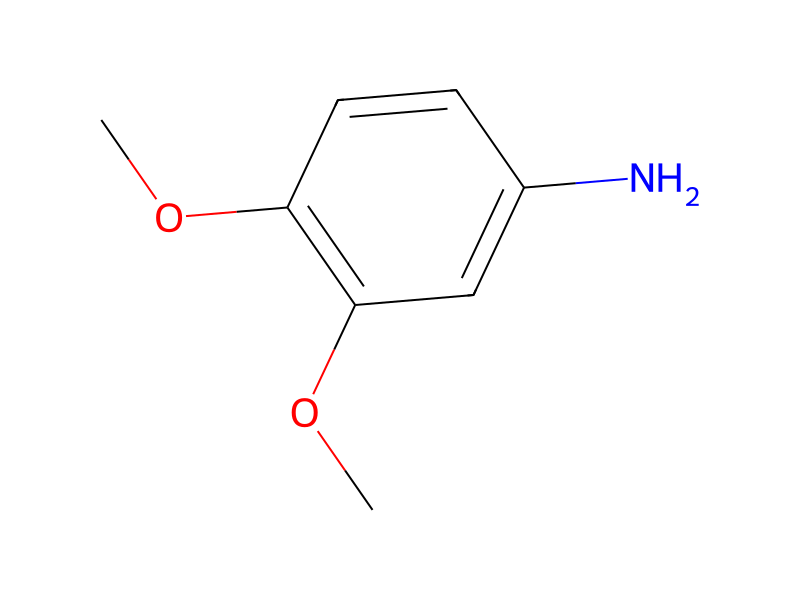
[CH3:1][O:2][C:3]1[CH:4]=[C:5]([NH2:11])[CH:6]=[CH:7][C:8]=1[O:9][CH3:10].C(N(CC)CC)C.[Cl:19][C:20]1[N:21]=[CH:22][C:23]([C:26](Cl)=[O:27])=[N:24][CH:25]=1>ClCCl>[CH3:1][O:2][C:3]1[CH:4]=[C:5]([NH:11][C:26]([C:23]2[CH:22]=[N:21][C:20]([Cl:19])=[CH:25][N:24]=2)=[O:27])[CH:6]=[CH:7][C:8]=1[O:9][CH3:10]Participants
5




Procedure
To a mixture of 3,4-dimethoxy phenylamine (0.306 g, 2 mmol) and triethylamine (0.557 ml, 4 mmol) in dichloromethane (20 ml) was added 5-chloro-pyrazine-2-carbonyl chloride (0.354 g, 2 mmol) at 0-5° C. The mixture was allowed to stir at room temperature for 3 hours. The mixture was diluted with methylene chloride (20 ml), washed with saturated NaHCO3 (20 ml), brine (20 ml), dried (anhyd. Na2SO4) and concentrated to get 0.42 g of crude 5-chloro-pyrazine-2 carboxylic acid (3,4-dimethoxy-phenyl)-amide, which was directly used in the next reaction.
Workup
- washwashed with saturated NaHCO3 (20 ml), brine (20 ml)
- dry with materialdried (anhyd. Na2SO4)
- concentrationconcentrated
Sources & evidence
- ORD record
- ord-8b14f0b0dcb24cad913ac233ca6a8da3
- Source dataset
- uspto-grants-2012_01
- Patent number
- US08093291B2
Reaction notes
Loading…